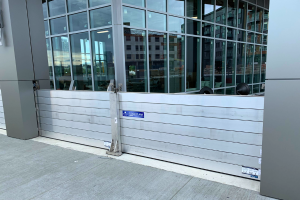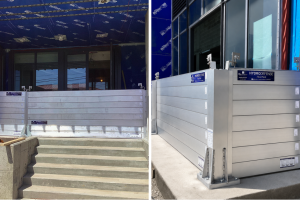

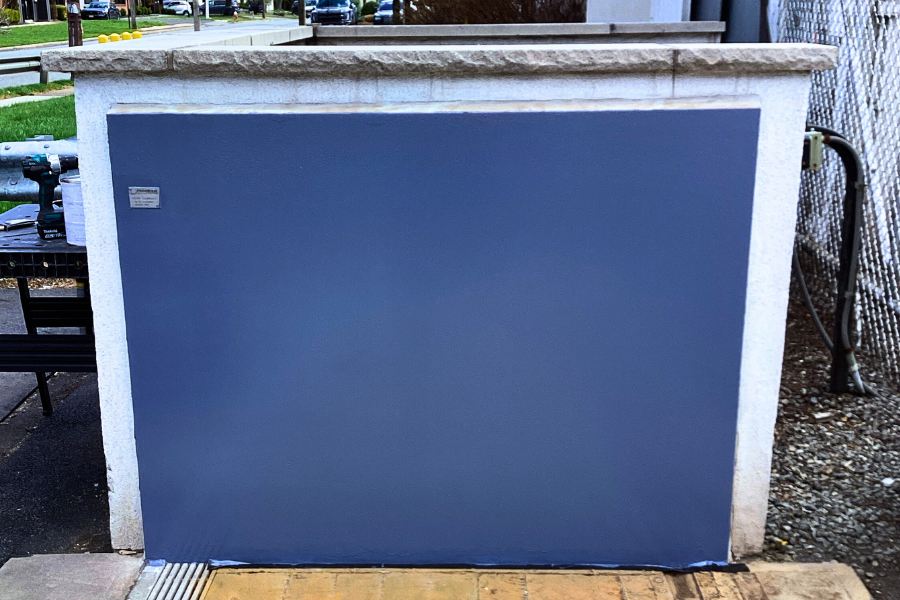
Review resilient types of automatic flood gates and barriers. Self-activated devices protect valuable infrastructure, equipment, assets, and operations – with no reliance on human intervention or electricity. Powered by rising water, these passive options leverage the problem to create a dependable solution. As a building owner yourself, reduce facility vulnerabilities, eliminate manpower requirements, safeguard your team, and preserve facility aesthetics with passive automatic flood barrier gates.
Self-Closing Flood Devices
Self-closing flood barriers deploy in-response to stormwater – no manual activation required. When not in-use, systems are stored at the point-of-use – typically in a concealed underground trench or trough. With autonomous capabilities & convenient on-site storage, self-rising solutions have a minimal impact on facility architecture and aesthetics. These solutions are ideal for facilities with insufficient storm notice or limited on-site manpower. Reliably defend waterside properties, coastal facilities, critical infrastructure, and underground locations with self-closing rapid deployable barrier systems.
Integrate passive flood protection with automatic flood barriers that offer:
- Automatic Flood Barriers That Deploy Automatically With No Manual Labor
- Fast Action The Moment Floodwaters Rise, Even With No Advance Warning
- Permanently Installed At Point-Of-Use In Concealed Underground Trenches
- Passive Flood Protection That Stays Armed Before, During, & After A Flood Event
- Protects Waterside Properties, Coastal Facilities, & Underground Locations
- Defends The Protected Area From Storm Surge, Heavy Rainfall, & River Overflows
- Built For Facilities With Limited Storm Notice Or Limited Manpower
Protect unmanned building openings with self-closing flood mitigation solutions.
Automatic Flip-Up Flood Control Options
Keep your property safe from severe storm emergencies with flip-up options. Flip-up barriers self-store flush in-ground – until the moment hydrostatic pressure is detected. Once activated, these barriers autonomously pivot-up – delivering up to 8′ water protection heights. This innovative design is ideal for vulnerable commercial applications – including retail storefronts, exterior garages, loading docks, vehicular driveways, or pedestrian walkways. In addition to these capabilities, one-touch manual capabilities allow you to seamlessly raise the barrier in-advance. Of course, this is ideal for proactive storm notice and annual maintenance requirements.
Here’s how these systems automatically deliver flip-up protection:
- Flush Design: No Tripping Hazards For Vehicles, Personnel, Forklifts, & Carts
- Water Trigger: Rising Water Pressure Makes Pop-Up Devices Automatically Raise
- Automatic Activation: Float Mechanism Delivers Watertight, Passive Protection
- Always Ready: Aquatrigger Gates & Floodbreak Barriers Offer Proven Performance
- Unobstructed Traffic: Supports Normal Operations & Efficiency When Not In-Use
- Corrosion Resistant Construction: Heavy-Duty Stainless Steel For A Long Service Life
- Custom Engineered: Openings, Widths, Heights, & Load Rating To Match Any Building
- Versatile Flood Defense: Designed For Custom Openings, Widths, Heights, & Building Applications – Including Flood Control & Industrial Spill Containment
Automatic flip-up solutions are one of the most dependable, reliable, and trusted types of mitigation devices.
Passive Automatic Pop-Up Flood Barrier Systems
Safeguard your facility with automatic pop-up devices. Pop-up flood barriers ensure business continuity, uninterrupted operations, and minimal downtime. Autonomously popping up to establish a watertight seal – these gates quickly protect valuable equipment, irreplaceable inventory, employees, and facility appliances. Don’t leave your property exposed to costly damage, interruptions, and poor conditions.
Factor in the key benefits & features for these systems:
- 24/7, Always-In-Place Flood Protection System
- Maintain Normal Operations, Efficiency, & Business Continuity
- Minimize Costly Flood Damage To Assets & The Surrounding Structure
- Works Independently With No External Power Or Powered Components
- Versatile For Pedestrian, Industrial, & Vehicular Openings
- Easily & Automatically Resets After Each Flood Event
- Self-Contained To Rely On The Water’s Own Hydrostatic Pressure
- Watertight Seal Expands As Water Levels Rise
- Nearly Invisible Protection Across The Entire Protected Area
- Low Operational Costs & A Long Service Life
- Corrosion Resistant Materials For Coastal & Industrial Sites
- Proven Performance Through Repeat Severe Weather Events
To furnish passive barriers, speak with solution-driven experts for professional mitigation services. Then, defend your facility with pop-up devices that prevent revenue loss, instill confidence, and protect daily operations.
Vertical & Horizontal Flood Protection Gates
Protect personnel, properties, and assets with automatic vertical & horizontal flood barrier gates. Like passive flood doors for commercial buildings, these devices support a fully-automatic emergency response. Gates lift vertically into place without human intervention – rapidly sealing vulnerable openings. These capabilities empower facilities to remain safe, open, and operational until the last possible moment. Once water recedes, systems quickly retract – allowing business operations & vehicular/pedestrian traffic to quickly resume. Ensure reliable defense against coastal/urban storms, heavy rainfall, hurricanes, and rapid snowmelt.
Compare key building applications & use cases for protection:
- Commercial: Office Buildings, Electrical Rooms, Data Centers, Employee Entrances, Retail Storefronts, HVAC/Utility Spaces
- Industrial: Warehouse Entrances, Loading Docks, Storage Sites, Service Tunnels, Chemical Spill Containment Areas, Back-Of-House Equipment
- Critical Infrastructure: Wastewater Treatment, Bridges, Tunnels, Transportation Hubs, Public Transit, Subway/Metro Stations, Airports, Pump/Utility Stations
- Hospitals & Medical Centers: Emergency Rooms, Critical Entry Points, Below-Grade Areas, Life-Saving Equipment, Healthcare Personnel
- Schools & Universities: Classrooms, Campuses, Academic/Administrative Areas, Athletic Facilities, Outdoor/Support Areas
- Multi-Family Residential: Resident Properties, Basements, Garages, Maintenance Buildings, Multi-Level Parking Garages, Ground-Level Entrances
- Specific Openings: Stairwells, Elevator Cores, Windows, Vent Shafts
Integrate vertical & horizontal passive flood barriers for storm protection and defense.
Alternative: Hinged, Rolling, Sliding Solutions
Alternatively, consider hinged, rolling, swing and sliding gates for active protection. Heavy-duty active flood barrier gates require rapid manual deployment – quickly sliding or swinging into position. These fast-acting capabilities support resilient protection – while maximizing availability, access, and operability. When not in-use, these barriers remain in-place – ready to be deployed. For added security, these devices can be equipped with locks and monitoring sensors too.
Here’s what alternative flood protection options can offer:
- Fast Action: Manual Deployment Within Minutes Of Advance Warning
- Hinged, Rolling, & Sliding Gates For Wide Vehicle & Perimeter Openings
- Requires Manual Labor & Trained Staff On Site Before Water Levels Rise
- Locks & Monitoring Sensors For Added Security & Access Control
- Maximizes Availability, Access, & Operability Between Storms
- Combining Passive Flood Barriers With Active Gates For Layered Defense
For facilities with available personnel, consider sliding, rolling, or flex-gate devices.
Defend Critical Infrastructure From Rising Water With Automatic Flood Defense & Passive Flood Barriers
Defend your facility from rising floodwaters & overall flood risk with fully automatic systems. These revolutionary flood control options protect peace of mind & confidence with minimal maintenance. Products are engineered to protect people and property – securing doorways, ramps, and exterior building openings at the point of use.
Resilient floodgate options are critical for these critical infrastructure facilities for a number of reasons:
- Uninterrupted Normal Operations During Any Flood Event
- Protect Vital Assets & The Surrounding Structure
- Eliminate Human Error & Ongoing Manual Labor
- Self-Stores Flush In The Resting Position
- Gates Automatically Raise As Floodwaters Rise
- Reduces Downtime & Recovery Costs
- Strengthens Resilience & Accessibility
- Enables 24/7/365 Passive Protection
- Addresses Future Climate Change & Sea Level Rise Risks
- Can Be Deployed Manually Ahead Of A Storm
- Watertight Gaskets Built From Corrosion Resistant Materials
- Performance Verified & Documented By An Independent Party
- Combining Passive Flood Barriers With Active Gates For Full Perimeter Coverage
Integrate automatic flood protection solutions to defend nationwide critical infrastructure assets, equipment, sites, and operations.

Cost To Design & Integrate Automatic Flood Gates
Analyze the average cost to design & integrate automatic flood gate devices for US properties. Every building’s opening & requirements are incredibly unique. Property owners need to carefully consider multiple factors before integrating resilient protection. Understanding these critical details helps you maximize your investment and select always-in-place products.
Of course, there are several key factors influencing cost for commercial, critical infrastructure, and large-scale systems:
- Size, Height, & Custom Engineered Protection Requirements
- Automation Level & Degree Of Passive Protection
- Construction Materials, Components, & Required Load Rating
- Certified Mitigation Services & Testing
- Sealing Technology & Watertight Capabilities
Read on to learn about the cost to design, integrate, and maintain compliant wall barriers.
Site Inspections & Assessments For Passive Flood Barriers
Before selecting automated heavy-duty flood barrier gates – consider costs for initial site inspections, visits, and assessments. The best risk mitigation companies perform on-site surveys & collect precise field measurements. This process helps to identify vulnerable openings, determine project requirements, and establish a preliminary construction plan. During the inspection, expert technicians conduct in-depth assessments, recommend solutions, and begin organizing price lists.
The end-to-end process may involve:
- Identify Every Vulnerable Opening Across The Protected Area
- Review Historic & Local Flood Event History
- Document Protection Requirements Opening By Opening
- Assessment Reports Prepared By An Independent Party
- Formal Steps, Budgets, & Timelines Ahead Of Flood Gate Installation
Afterwards, you can request detailed reports – which include formal steps & budgets for the barrier installation process. Carefully consider assessments & inspection fees for flood device solutions.
Design & Customization Fees With Corrosion Resistant Construction
Additionally, look at end-to-end fees for mitigation design solutions. Choose architect-led infrastructure protection companies that offer a comprehensive range of design & customization solutions. These partners deliver expert industry knowledge, professional backgrounds, and unique device options. With this level of experience, you can be sure you’re receiving the highest-quality services available.
Architect-led design packages may involve:
- Custom Engineered Drawings For Each Unique Opening
- Load Rating For Vehicle, Forklift, & Pedestrian Traffic
- Structural Tie-Ins To The Surrounding Structure
- Component Selection: Frames, Gaskets, Floats, & Panels
- Architect-Led Design For Self-Closing, Permanently Installed Systems
Together, design commercial mitigation systems that are innovative, reliable, dependable, and self-closing. Look at the costs to design automated, sliding, or rolling watertight gates.
Device & System Type (Consider Combining Passive Flood Barriers)
Of course, the type of automatic flood mitigation barriers can also impact your end-to-end investment. Compared to traditional commercial use sandbags, automatic options deliver uninterrupted protection & resilience. The best protection companies prioritize solutions that are durable, dependable, and cost-efficient. Self-rising products are recommended for commercial spaces that have a low tolerance. Systems autonomously activate on contact with hydrostatic pressure or hydrodynamic loads. After the emergency, your equipment self-lowers – so that operations can quickly resume.
Compare the following factors when reviewing device options:
- Passive Flood Protection Vs. Sandbags & Repeat Manual Labor
- Self-Rising Gates Triggered By Water Pressure Or Hydrodynamic Loads
- Automatic Flood Barriers That Self-Lower After A Flood Event
- Flip-Up, Pop-Up, Vertical, & Horizontal System Types
- Trusted For Repeat Severe Weather Events
The cost of your water diversion wall depends on the type of device you plan, design, and install.
Building & Facility Applications
Your property’s actual use case has a direct impact on flood protection device cost. Devices can be installed in a range of challenging, building-specific locations. Whether you’re looking to waterproof a single access point or defend your full building perimeter – there are options for 24/7/365 defense. Versatile products are engineered for Fortune 100 company headquarters, commercial office space, retail locations, and resilient hospitals – as well as:
- Single Access Points Or A Full Building Perimeter
- Fortune 100 Headquarters & Commercial Office Buildings
- Retail Locations, Hospitals, & Resilient Healthcare Campuses
- Transportation Hubs, Transit Tunnels, & Airport Facilities
- Size Of The Protected Area & Total Number Of Openings
Before you integrate autonomous flood control gates, think about your building’s unique vulnerabilities, applications, and use cases.
Operational Cost Impact
Now, look at how industrial flood barrier solutions can impact your operational costs. Automatic infrastructure barriers are always-in-place – eliminating additional expenses for remote storage, transportation, and physical deployment. Instead, products keep your property resilient around-the-clock – even when emergency response personnel are unavailable. While there is a larger upfront investment, FEMA approved barriers provide durable, uninterrupted, and long-term protection.
While reviewing the cost of automatic flood barriers, analyze the following factors:
- No Remote Storage, Transportation, Or Deployment Crews
- Permanently Installed For Always-In-Place Defense
- Zero Manual Labor Required Per Flood Event
- Higher Upfront Investment, Lower Long-Term Cost Of Ownership
- Corrosion Resistant Materials Deliver A Long Service Life
- Normal Operations Continue Between Severe Weather Events
Analyze how commercial barrier options can reduce your business’s operational expenses.
Safeguard personnel, infrastructure, equipment, and assets with automatic gates. Self-closing, self-activated flood barriers protect properties 24/7/365 – with no reliance on physical or electrical power. Flip-up or pop-up gates are deployed by rising water. Specialized gates and devices can be installed to securely protect horizontal & vertical openings. Alternatively, you can also consider rapid-deployment hinged, sliding, or rolling flood barrier options. Before installing, take time to determine mitigation risk tolerance. Follow the points above to learn about automated flood barriers.