
Discover how flood protection in South Carolina strengthens building, business, and community emergency response plans. Unprotected facilities are vulnerable to costly damage during hurricanes, flash/coastal flooding, and unexpected natural disasters. High-risk sites & repetitive loss properties need to take dedicated measures to protect infrastructure, operations, utilities, and people. Experienced mitigation companies provide turnkey assistance covering educational workshops, consulting, training, and post-storm assessments. As a local building owner, coordinate with teams to defend properties, continuity, and peace of mind.
Businesses need to establish key steps & priorities for emergency preparation:
- Know Your Flood Zone
- Protect Property, Major Utilities, & Critical Entrances
- Seal Basement & Underground Access Points
- Verify Insurance Policies & Coverage Early
- Prepare Your Team & Personnel
- Understand Risks From Heavy Rains, High Winds, & Serious Damage
- Examine Risks To Water Quality, Sewage Overflows, & Employee Health
Resilient storm protection services require careful coordination with the South Carolina Department Of Natural Resources (SCDNR) and Flood Mitigation Program (FMP). Additionally, specialists coordinate with the National Flood Insurance Program (NFIP) & Federal Emergency Management Agency (FEMA) to ensure compliance & prevent losses. Read on to learn about flood protection services & programs for proactive emergency management.
Analyze Statewide South Carolina Floodplain Maps
Analyze SC’s statewide floodplain map to understand best practices, make informed decisions, and support emergency management teams. Protection companies review maps to recommend barrier products, floodplain management techniques, and overall best practices. Determine your facility’s zone designation, based on ratings from the Federal Emergency Management Agency (FEMA) & National Oceanic & Atmospheric Association (NOAA). Additionally, review flood insurance rate maps (FIRM) to assess property coverage requirements.
Classifications for low, moderate, and high-risk special flood hazard areas (SFHAs) include:
- Zone A & AE: Approximately a one-percent annual flooding chance – may require mandatory insurance.
- Zone VE: Over a one-percent chance of yearly flooding, along with storm wave hazards. Classification triggers high risk, insurance, and property requirements.
- Zone AO & AH: Shallow flooding in sheet flow or ponding. Requirements based on your elevation, average depth, and exact location.
- Zone X (Unshaded & Shaded): Outside the 1% floodplain. Shaded areas have a 0.2% risk, while unshaded zones have minimal hazards.
Depending on your requirements, you may receive a comprehensive insurance study (FIS) that highlights risk data, urban/coastal vulnerabilities, elevation data tables, and other key insights. With these findings, you can start to establish project requirements, coordinate local ordinances, and forecast costs. A comprehensive map review can additionally determine flood warning, monitoring, and alarm/alert system requirements. Evaluate maps, conditions, and zone designations with flood control companies in Charleston.
Assess Flood Risk Rating & Profile
After maps are carefully reviewed, access your site-specific risk rating & profile. Your risk tolerance score factors in updated South Carolina emergency management models, flood zone map ratings, and individual insurance policy details. Professionals conduct comprehensive assessments on a property-by-property model. This approach enables you to make clear decisions, ensure resilient building coverage, and potentially lower future premiums. Take specialized precautions & steps for communities with a CRS Class 6 Rating – like North Myrtle Beach or Charleston. On-site, teams evaluate your building’s elevation, foundation construction, and estimated rebuild cost. Additionally, think about the facility’s distance to nearby water sources, storm event frequency, and advanced notice.
Your full risk tolerance report should outline:
- Risk Rating 2.0 Property Specifics
- Flood Types (Overflowing Rivers, Storm Surges, Hurricanes, Heavy Rainfall)
- Community Rating System (CRS) Data
- Local Zip Code & City
- Crawlspace, Slab, Or Elevated Foundation
- Average Repair Costs In South Carolina
Carefully assess, calculate, and reduce your facility’s risk rating with solution-driven flood protection.
Consult On Local, State, & Federal Mitigation Grant Programs
Meet with flood protection specialists that coordinate municipal, statewide, and federal hazard mitigation grants. There’s a range of authorities that offer valuable funding for long-term flood hazard mitigation projects & measures. FEMA’s Building Resilient Infrastructure And Communities (BRIC) grant program was established in 2018, following changes to the Disaster Recovery Reform Act & Robert Stafford Emergency Assistance Act.
Other opportunities available for SC building owners, directors, and decision-makers:
- Flood Mitigation Assistance (FMA): Coordinated through FEMA & SCDNR, this program focuses on reducing claims, premiums, and damage to NFIP-insured facilities.
- Community Development Block Grants: Managed through the US Department of Housing & Urban Development (HUD) & South Carolina’s Office Of Resilience (SCOR).
- Dam Repair Assistance Grants: Granted through the state Department of Environmental Services (SDCES) and local Dam Safety Program. Provides support for vulnerable dams that require repairs or removal.
These financial resources continue to be leveraged following Hurricane Helene, Tropical Storm Debby, and the November Edisto River Flooding impacted the state. Schedule an in-depth consultation to review flood protection grants & federal funding programs.
Integrate Customized Protection For Coastal Communities
Coastal flooding experts recommend specialized measures, barriers, and strategies for beachfront & waterfront communities. Along the North Coast & Grand Stand, building owners need to address relative sea level risk (SLR), along with constant riverine flooding conditions. These properties attract residents, businesses, and tourists year round, requiring specialized planning, coordination, & support. Establish a site-specific coastal resiliency approach to protect your business, operations, personnel, and equipment from unpredictable storm hazards. Experts support communities that have been directly impacted by hurricanes & coastal storms firsthand. Leverage dedicated support to identify risks, install customized defense, and maintain systems annually. The full-lifecycle approach focuses on reducing threats, vulnerabilities, and damage long-term.
With dedicated services, you can compare a range of solutions for your facility:
- Automatic & Passive Devices
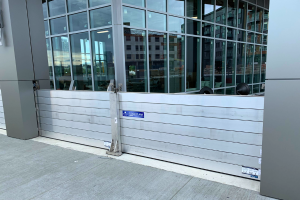
- Deployable Flood Barriers
- Swing & Sliding Gates
- Engineered Vents & Watertight Seals
- Custom Mitigation Systems
Integrate fully-customized flood protection for coastal communities statewide.
Manage Long-Term Resilience & Prevent Flood Damage
Maintain resilience, safety, and reliability long-term as new risks or concerns evolve. Continue building a resilient future for your growing SC business & brand. Recent disasters like Hurricane Helene emphasize the need for clear emergency preparedness, management, and response strategies. Additionally, facilities need long-term solutions that address current conditions and future challenges – monitored by changing environmental conditions & data. Ensure your personnel is prepared to manage heavy rainfall, hurricanes, flash/coastal storms, and climate change with confidence. Throughout the full-lifecycle process, resiliency management companies closely coordinate with business leaders, community officials, design professionals, contractors, and engineers. This way, you can focus on driving company wellness, change, and growth.
Teams help you establish a long-term strategy for maintenance, repairs, training, and support:
- Schedule Annual Properly-Level Protection Maintenance
- Prioritize Personnel Training & Custom Device Repairs
- Monitor Regional & Community Strategies
- Stay Updated With State Resources & Programs
- Recommend Upgrades To Business & Public Infrastructure
- Explore New Grant Opportunities
Coordinate long-term resilience, continuity, and peace of mind with compliant flood protection services.