
Evaluate flood risk mitigation measures for United States buildings, infrastructure, and communities. At-risk properties nationwide are investing in precision flood mitigation plans that defend business continuity, strengthen resistance, and lower structural damage hazards. Expert measures defend critical equipment, control systems, business utilities, and exterior architecture. As a building owner yourself, explore industry-leading methods to mitigate flood damage, support uninterrupted operations, and preserve existing building aesthetics/appearances. Read on to learn about flood risk mitigation strategies for US buildings and urban/waterfront communities.
Perform An In-Depth Flood Risk Assessment
Performing in-depth, on-site risk assessments is a proactive flood mitigation strategy to protect your team, operations, equipment, and community. Flood risk is shared across multiple stakeholders – including architects, engineers, public agencies, business organizations, and ownership teams. Coordinate with resiliency management specialists to review, assess, monitor, and design protection around site-specific conditions & vulnerabilities. Choose expert companies that support your long-term flood mitigation risk tolerance with personnel training, educational programs, and ongoing technical support.
Primary considerations, requirements, and measures for your site’s flood risk management (FRM) plan:
- Risk Communication With Leaders & Personnel
- Risk Protection Financing & Investments
- Emergency Readiness & Preparedness Priorities
- Ongoing Flood Monitoring Alerts & Warning Systems
- Risk Transfer & Flood Insurance Requirements
Conduct a corporate flood risk assessment new & existing buildings.
Compare Resilient Wet & Dry Floodproofing Options
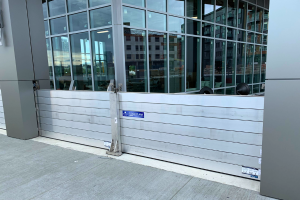
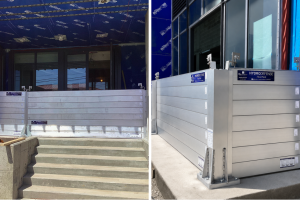
After an in-depth site inspection & risk management consultation, your next measure is comparing resilient wet & dry floodproofing options. Compare resilient flood mitigation systems & building use cases that prevent damage to your facility, equipment, workflows, and daily processes. Dry floodproofing barriers create a watertight seal across vulnerable building entrances, hallways, and access points. Alternatively, wet floodproofing systems enable surging waters to safely & securely flow through your building – mitigating hydrostatic pressure & loads.
Before recommending solution-driven measures, flood risk mitigation companies compare several key factors:
- Base Flood Elevation (BFE)
- Interior/Exterior Utilities, HVAC Systems, & Control Systems
- Existing Foundation Construction & Design
- Flood Insurance Premiums
- Sump Pumps, Backflow Check Valves, & Current Prevention Systems
Compare resilient flood mitigation barriers to prevent, control, and reduce risk.
Align Localized, Nationwide, & Industry Compliance Standards
Ensure your flood mitigation techniques comply with local, statewide, federal, and manufacturer/industry-specific requirements. Strengthening compliance demonstrates a commitment to enhancing emergency readiness, preparedness, and resiliency against flooding. Before you install commercial mitigation systems, learn what compliance agencies, authorities, and organizations should be prioritized.
Nationwide mitigation experts coordinate design, installation, testing, and maintenance with well-recognized standards:
- Federal Emergency Management Agency (FEMA Compliance)
- ANSI/FM 2510 & FM Approved Flood Barriers
- LEED Certified Buildings
- ASCE 24-24 Resistant Design
- BABA Flood Protection Standards
- NYC Existing Building Code Projects
- National Flood Insurance Program (NFIP)
- Available Grants, Funding, & Financial Assistance
Align flood mitigation solutions, techniques, and measures with building compliance standards.
Coordinate Flood Mitigation Strategies With New/Existing Construction
Coordinate professional flood mitigation services with new/existing construction timelines, requirements, sequences, and standards. Urban and floodplain construction projects have a unique, high-priority need for resilient protection. Even minor storms or natural disasters can quickly reverse time, money, and resources invested. Align your risk & vulnerability analysis to prevent long-term project challenges or implications.
Here’s why project experts recommend involving flood mitigation teams early-on:
- Prevent Timeline Delays, Interruptions, Or Rework
- Strengthen Structural Integrity & Reliability
- Address Hazardous Site Conditions Early-On
- Ensure Coordination Across Contractors & Field Teams
- Design Customized Solutions For Flood Prone Areas
- Reduce Flood Risk & Mitigate Future Flooding Concerns
Ensure flood mitigation device installation, testing, maintenance, and training complies with your new/existing construction plans.
Embrace Citywide Flood Risk Mitigation Strategies
When you’re comparing flood risk control measures, embrace citywide, community-driven protection measures. United States communities are strengthening citywide resiliency through long-term, solution-driven partnerships with risk control & prevention companies. Once an install is complete, continuous reliability is supported through long-term testing, project maintenance, and community-involved training.
Communities can coordinate mitigation design across local community critical infrastructure facilities & operations:
- Wastewater Treatment Plant Protection Plans
- Flood Mitigation For Hospitals
- Commercial Storm Surge Protection
- Flood Mitigation For Real Estate Property Owners
- Municipal & Local Official Offices
- Multi-Family Home And Business Owners
- Storm Protection For Engineering Firms
Take a citywide-focused approach to community flood risk mitigation.
Improve readiness for the next flood event with resistant risk-focused stormwater management measures – built for community critical infrastructure, drainage systems, and other community assets. Lower your property’s risk with flood resistant solutions that strengthen continuity and cost effectiveness long term. Minimize flood water damage and related flood losses through proactive collaboration with community members, leaders, and stakeholders. This level of coordination helps you address the long term risk of flooding & climate change forecasts. Before your mitigation project is scheduled, explore other resources and cost effective co benefits with specialized teams. This way, you can ensure reliable mitigation options across your lowest floor operations, subterranean assets, and higher ground offices.