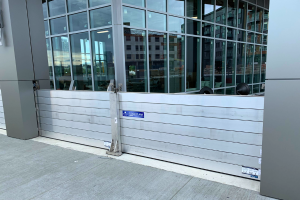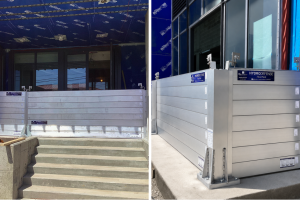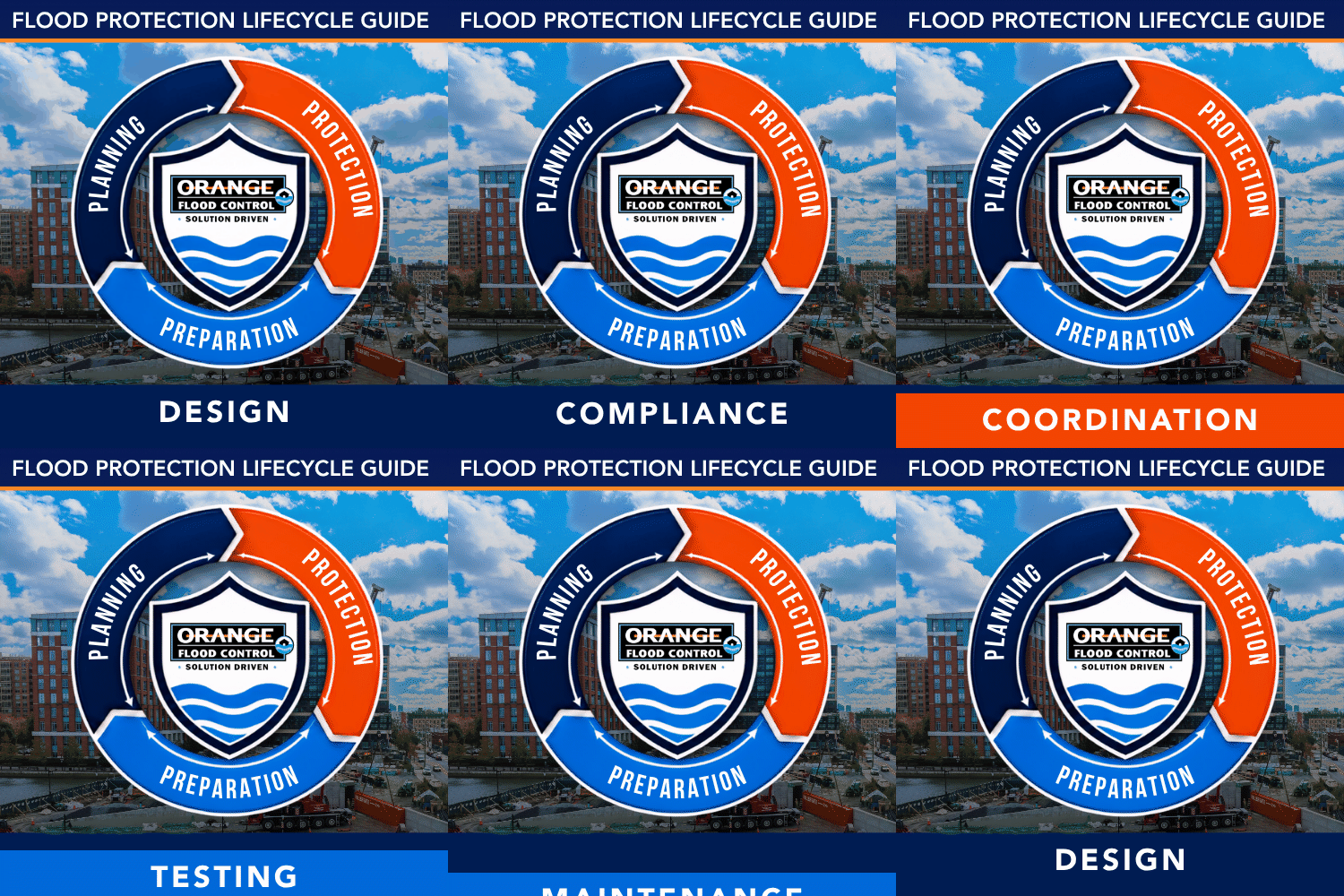
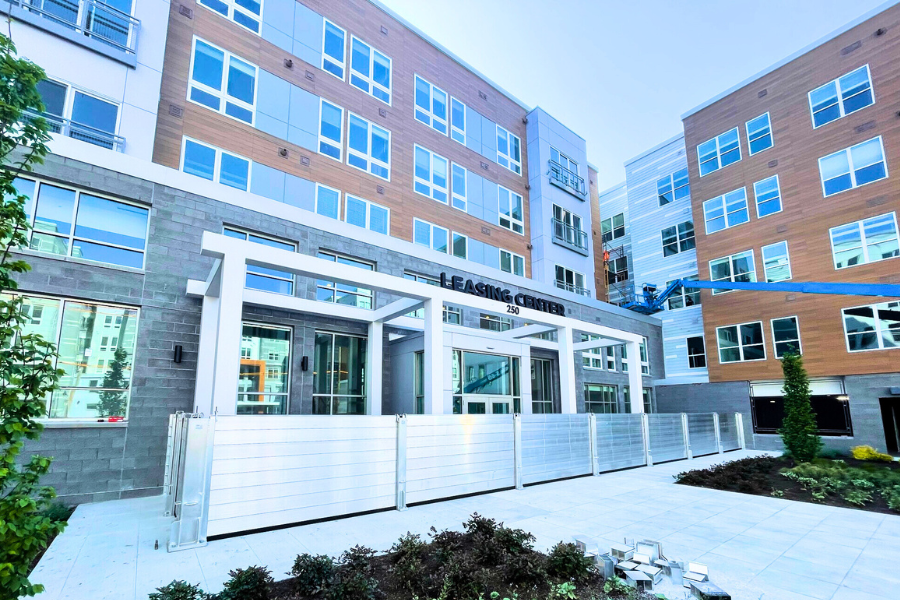
Real estate property owners and investors across the United States are focused on specialized flood mitigation. The primary goals of flood mitigation strategies are to reduce potential damage, comply with nationwide floodplain requirements, and lower insurance premiums. Solution-driven flood risk mitigation companies take additional measures to integrate protection with existing building aesthetics & architecture – preserving appearance & livability for future tenants. As a real estate property owner, defend your properties, assets, investments, and new construction site with professional resiliency management. Read on to learn about flood mitigation project planning for real estate property owners, developers, and investors.
Identify Property Owner Pain Points During The Pre-Solicitation Phase
Before storm mitigation techniques are selected, carefully analyze site-specific pain points, requirements, and resiliency objectives. Develop a project-specific action plan with flood experts – including licensed architects, engineers, general contractors, educators, and multi-trade professionals. This level of coordination requires advanced strategies, proactive communication, and specialized flood resistance expertise.
Ask yourself these key questions to build a comprehensive plan & strategy:
- What Critical Areas Require Protection?
- Is It Worth The Insurance Coverage?
- What Different Ideas & Mitigation Options Are Available?
- Is This A Long-Term Resilience Strategy?
- How Will Contractors, Investors, & Tenants Be Informed?
- Are Flood Resistant Products Easy-To-Deploy?
- Will Systems Reduce Risk Of Structural Damage?
- Does Equipment Meet Municipal, Federal And State Compliance?
- Are There Options That Allow Water To Flow Through?
- Do Companies Offer Ongoing Guidance & Support?
For guidance throughout the process, turnkey companies execute end-to-end risk analyses, hazard mapping, and construction consulting. These specialists go beyond certified installation – collaborating directly with property owners for experienced, dedicated, and turnkey support. When you start building resilience with a flood mitigation plan, take time to carefully identify & prioritize pain points.
Contract Flood Mitigation Companies Early For Upcoming Construction
For owners planning new & upcoming construction projects, contract professional mitigation services early-on. Collaborate with specialists during initial design & site planning phases – before actual construction begins.
Here’s your breakdown to address watertight mitigation solutions during new construction:
- Identify High-Risk Flood Zones & Determine Risk Tolerance
- Coordinate Required Foundations & Structural Components
- Review Designs With Licensed Architects
- Select Types Of Flood Devices For Project Requirements
- Consult Specialists (Civil Engineers, Architects, Surveyors)
- Gain Local & Nationwide Approvals
- Assess Building Codes & Floodplain Management Standards
- Determine Elevation Requirements & Ordinances
- Plan Structural Mitigation For Hurricanes & Severe Weather
- Organize Disclosures For Flood Risk Management
- Measure Long-Term Storm & Climate Change Concerns
Partner with flood hazard mitigation experts early in construction sequencing to reduce downstream project delays and mitigate costly damage.
Address Localized Flood Risk During Project Planning & Property Preparation
During early stages of risk management and mitigation consulting, real estate property owners need to address localized flooding concerns. As heavy rainfall events increase in spring & summer, prioritize flood preparedness to maintain continuity & on-time schedules. Current vulnerabilities often encourage key project decision makers to accelerate timelines and push site work forward.
Here are your approaches to assess & measure risk across your development:
- Map Location Of Historical City Floods
- Identify Past Storms That Impacted Your Location
- Conduct A Comprehensive Risk Assessment
- Prioritize Sophisticated Modeling & Vulnerability Planning
- Speak With Community Experts & Local Officials
- Develop Emergency Management & Response Protocols
- Establish Early Warning Systems
- Explore Architect-Led Mitigation Design Solutions
- Calculate Current Natural Disaster & Flood Insurance Premiums
- Review FEMA & NFIP Requirements (National Flood Insurance Program)
- Utilize Resources From The Association Of State Floodplain Managers (ASFPM)
- Compare Dry vs Wet Floodproofing Options
This approach maximizes operational hours and enables uninterrupted continuity. Then, you can integrate mitigation barrier systems that reduce flood risk in the future. Take proactive measures to reduce flood damage while new construction projects are ongoing.
Discuss Value Engineering (VE) Before Finalizing Buyout
Before buyouts are finalized for flood mitigation systems conduct a final review of value engineering. Meet with architects, engineers, building owners, and contractors to discuss the opportunity and analyze solution requirements. Your goal is to optimize lifecycle performance and costs while maintaining building compliance. This final evaluation can strengthen flood water protection, enhance aesthetics value, and maintain end-to-end budget. Talk with your team & resiliency companies to learn about mitigation services for hospitals and real estate construction.
Obtain An Early Notice To Proceed (NTP) To Reduce Delays
Once you’re ready to integrate multi-family and commercial mitigation systems, obtain an early notice to proceed (NTP) to minimize delays & enable schedule-aligned installation. Obtaining an NTP earlier in construction sequencing provides time to order, customize, and deliver long-lead materials. Over end-to-end timelines, this proactive approach maintains critical schedule milestones, reduces risk of delay, and strengthens communication with relevant stakeholders.
Follow these key strategies & best practices to reduce NTP-related delays:
- Conduct Pre-NTP Preparation
- Verify NTP Requirements & Field Conditions
- Prioritize Material Procurement & Delivery Management
- Strengthen Proactive & Effective Communication
- Prioritize Strategic Scheduling
- Learn How Mitigation Protects US Industries
- Use LNTPs For Early-Stage Work
Obtain NTPs as early as possible to accelerate timelines, lower flood insurance premiums, & protect your property from flooding.