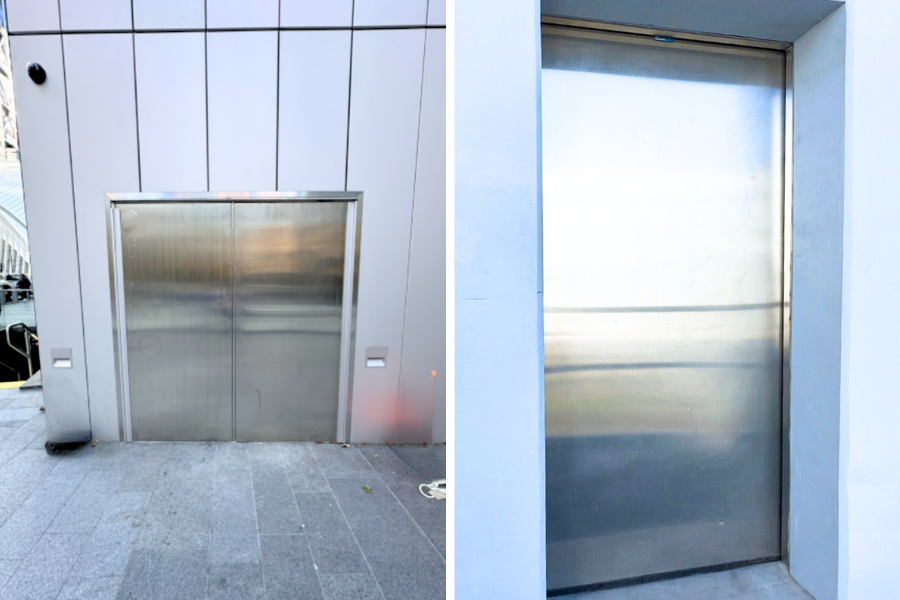
Analyze new flood protection requirements, updates, and standards under the new NYC Existing Building Code (EBC). New York City’s latest code updates reshape how alterations, repairs, and maintenance is handled for existing infrastructure. Previously, buildings could maintain compliance through the 1938 – 2022 codes – depending on original construction year. The new EBC system repeals the 1968 Code and makes amendments to the current administrative regulations. As an NY design professional or building owner, you should be ahead of these changes, updates, requirements, and frameworks – before the new flood resistant building code becomes effective on July 17, 2027. Read on to learn about NYC Existing Building Code (EBC) flood resiliency requirements.
Updates To The New York City Existing Building Code (Intro 1321-2025)
Understand how the New York City Existing Building Code (EBC) applies to your next alternation, addition, or flood resiliency project. Enacted in early 2026, the new EBC code applies to all building owners planning maintenance, upgrades, and specialized work on existing New York buildings. If your property is still compliant with the 1968 Building Code or Administrative NYC code – you may need to coordinate with flood mitigation teams. These specialists help you review new flood protection requirements, construction codes, and local regulations before your project begins. The 2026-2027 Existing Building Code applies to the following scopes of work:
- Limited Alterations
- Change Of Occupancy
- Building Relocation, Raising, & Moving
- Level I & Level II Alterations
Before work is scheduled, request a building risk tolerance and commercial flood protection safety performance assessment – based on Department of Buildings (DOB) scoring methods. Review the newly-established existing building code (NYC EBC) before your next construction, flood mitigation, or alternation project.
Specific Flood Protection & Fire Safety Regulations
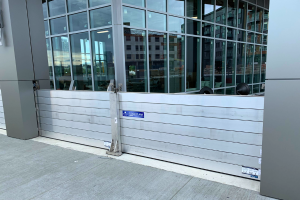
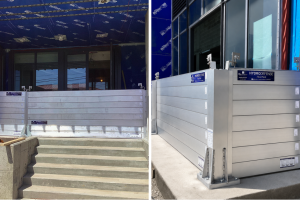
Evaluate the specific flood, fire, and storm hazard regulations outlined in the NYC EBC code. For facilities in hazard areas, temporary stairovers, emergency access ramps, or flood barriers may be required – even for sites where permanent options are restricted. In many cases, flood & fire resistant ratings cannot be decreased. Resilient fire and flood rated doors may be required to secure at-risk entrances/exits and increase emergency access capacity. Specific regulations & additional requirements are established for:
- Mechanical Systems & Core Utilities
- Plumbing Infrastructure
- Emergency Power & Electrical Systems
- Elevator Cores
- Exterior Property Envelopes
- Building Accessibility
- Existing Structures & Existing Systems
Compare new safety, resiliency, and mitigation requirements under the NYC DOB EBC.
Flood-Resistant Requirements For Existing & New Construction
Work with US infrastructure protection companies to coordinate resistant construction requirements, objectives, and guidelines. New York resilient construction prioritizes protecting public health, safety, and wellness – as well as safeguarding against private losses & operational interruptions.
Comprehensive regulations & guidelines for flood hazard management include:
- Minimizing Disruption Of Business Commerce
- Defending Access To Public Services & Infrastructure
- Mitigating Erosion & Flood Damage Potential
- Controlling Hazards With Watertight Mitigation Barriers
- Improving Construction In Floodplains & Waterfront Communities
- Staying Compliant With NFIP & FEMA Minimum Standards
- Strengthening Defense For Multi-Family & Multiple Dwelling Facilities
- Compliance With International Existing Building Codes & International Code Councils
Critical goals emphasize protecting citywide assets, critical infrastructure, local businesses, and public resources. Coordinate flood-resistant construction with solution-driven experts that understand New York City’s latest Existing Building Code.
EBC-Compliant Consulting & Personnel Training
Streamline EBC-compliant consulting, coordination, planning, and emergency response training with nationwide resiliency management companies – offering unique expertise in NYC infrastructure. Meet with solution-driven specialists to analyze existing building requirements, compliance methodologies, and DOB review triggers. Coordinate flood control project requirements, alteration levels, design planning, and administrative requirements. This way, your property can support comparable flood resiliency levels to those required for new NYC buildings & construction. Here’s a checklist of the materials to review in early stakeholder discussions:
- Existing Building Code Overviews
- NYC Compliance Path
- Level 1 vs Level 2 Alterations
- Designing Structural & Watertight Protection
- Future Building Changes, Additions, & Alterations
Schedule an architect-led consultation to learn about protecting EBC & DOB compliance during flood mitigation construction.
Prepare For DOB Filing & NYC Code Transitions
While New York City compliance & DOB assessments can feel challenging – turnkey flood control companies are available to help. Mitigation companies help building owners, architects, developers, contractors, and engineers prepare for local NYC compliance transitions – as well as nationwide regulatory & environmental changes. Ensure your existing construction project stays compliant, aligned, and permitted.
Resiliency-focused services include:
- Flood Protection Device Selection
- Existing Building Code Compliance Strategy
- DOB Assessment Preparation & Reviews
- Timeline, Cutoff, & Certified Installation Coordination
Schedule an introductory, architect-led consult today to discuss how these updates can impact your upcoming alteration, addition, renovation, or resiliency project. Prepare for Department of Building assessments, filings, reviews, and transitions with flood mitigation companies.
Prepare your entire building for the latest EBC changes from the New York City Council. Effective date 2027, these changes require clear guidelines for alteration work & limited alteration applications – designed to protect general safety, public welfare, and uninterrupted commercial or residential use. The administrative code applies to commercial sites, industrial facility, and high occupant load two family homes or dwelling units. Ordinary repairs and plumbing work may not be required.
Here’s how to get started with EBC-approved flood protection:
- Determine Your Flood Mitigation Risk Tolerance
- Coordinate Design & Compare Alternative Options
- Get Resilient Devices Installed In Accordance With Requirements & Operations
- Have Testing Performed For Approval
- Submit Initial Goals For Annual Maintenance
- Remain Involved In The Resiliency Management Process
For more insights on costs, provisions, affected space, and overall code laws – speak with a mitigation team today.