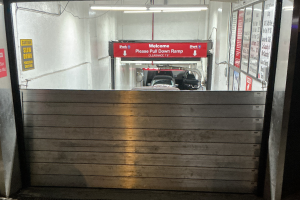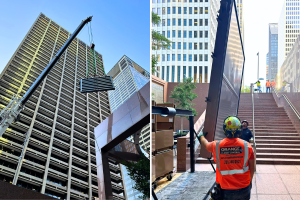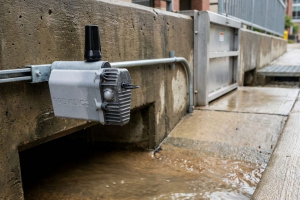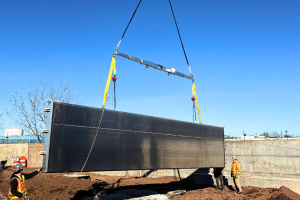
Develop a resilient flood control plan for LEED-certified buildings & properties. Leadership in Energy & Environmental Design (LEED) requirements are established by the United States Green Building Council (USGBC). These standards were originally developed to promote sustainable property design, construction, and operations nationwide. As a commercial building owner, you should understand this rating system to strengthen storm resiliency, improve environmental performance, and reduce your facility’s carbon footprint. Read on to learn about building resiliency for LEED-certified properties with flood control systems.
Calculate Flood Control Risk Tolerance
Before you install LEED-approved solutions, calculate your flood mitigation risk tolerance. Overall risk tolerance is based on your property’s value, staff availability, operational requirements, and physical location. Of course, critical infrastructure developments & commercial buildings located within flood zones must remain resilient through major storms, hurricanes, and natural disasters. To strengthen resistance & maintain LEED Zero/Platinum certifications – many facilities choose to install heavy-duty flood mitigation barriers. This way, you can minimize vulnerabilities & exposure even during worst-case scenarios – defending your property’s core utilities, equipment, communications, and personnel 24/7/365. Collaborate with flood protection companies to identify risks & address vulnerabilities at your LEED-approved green building.
Analyze LEED Resiliency Standards & Requirements
Before you design, install, & upgrade flood protection – carefully analyze resiliency requirements & guidelines for LEED-approved properties. Overall, there’s a lack of established standards for flood resilient infrastructure. Of course, there’s a wide range of options that can help facilities prepare for, respond to, and recover from emergencies. Architects & developers prioritize self-closing barriers – which automatically deploy with no human intervention.
In addition to green building practices, ensure your facility is compliant with local & nationwide codes:
- ANSI/FM 2510 Requirements
- American Society Of Civil Engineers (ASCE 24-24)
- Build America, Buy America (BABA Protection Standards)
- FEMA Compliance
- US Army Corps Of Engineers (USACE)
- National Flood Insurance Program (NFIP)
- Association Of State Floodplain Managers (ASFM)
Before flood barrier installation, take time to review standards for Leadership in Energy & Environmental Design certification.
Design LEED Properties For Resilience
Design flood mitigation solutions for LEED building resiliency. New commercial buildings should be constructed to resist & withstand storm impacts with minimal damage or operational interruptions. Facilities need to establish a detailed, comprehensive commercial flood protection plan that provides permanent defense, secures vulnerable areas, and meets building code requirements. Specialized resiliency management firms can help you engineer systems to protect against a range of weather events & natural disasters:
- Urban & Flash Flooding
- Coastal & River Flooding
- Hurricanes & High Winds
- Tropical & Winter Storms
- Heavy Rainfall
Your proactive response & recovery plan should emphasize protocols for continuous operations, minimizing disruptions, and keeping critical assets/personnel safe. Design & build flood resilient architecture to meet USGBC LEED-certified building requirements.
Assess Resilience & Resistance For Certified Green Buildings
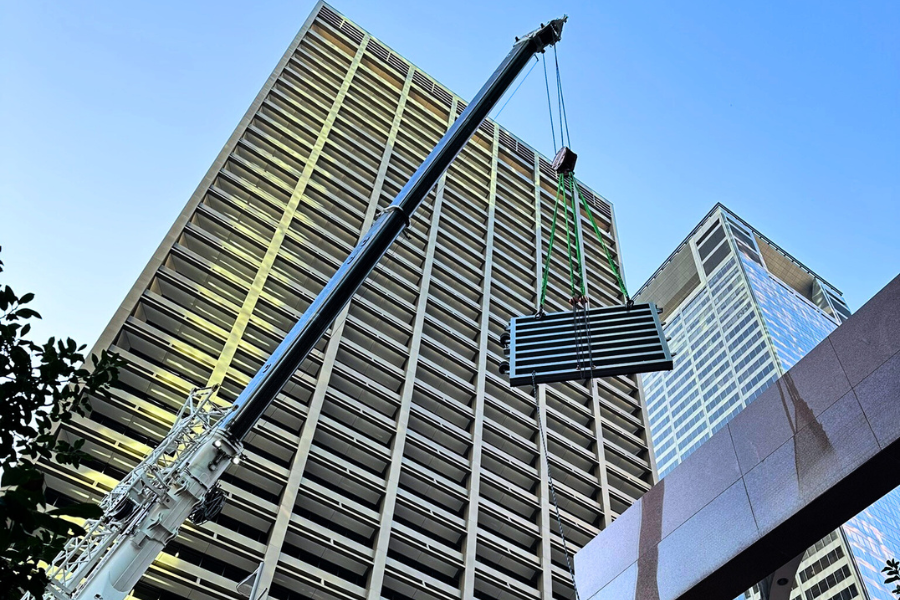
Once permanent flood solutions are in place, measure resilience & resistance for LEED-certified green & sustainable buildings. Ensure flood mitigation systems are designed to withstand hydrostatic pressure, hydrodynamic loads, and debris impacts. Specialized storm control services can help you integrate reliable protection with LEED design principles. Site owners have a variety of options to address flood concerns at green buildings:
- Steel Fire-Rated Doors
- Removable Stop Logs
- Glass Wall Systems
- Water Diversion Walls
- Hinged-Pivot Gates
- Flexible Barrier Solutions
- Heavy-Duty Watertight Gates
- Passive Flood Windows
- Automatic Storm Barriers & Passive Solutions
If any developments or upgrades are made, determine how they can impact your classification on the LEED rating system. Install dependable industrial flood barriers for LEED buildings.
Apply For LEED Climate Resilience Credits
In some cases, your flood mitigation strategy may qualify for LEED climate resilience credits. Specifically, the Design For Enhanced Resilience credit is designated for properties built to withstand & resist natural disaster damage. The Assessment & Planning For Resilience pilot credit further promotes proactive emergency preparedness for long-term weather impacts. Of course, your property may additionally qualify for the Passive Survivability & Back-Up Power During Disruptions credit – which is available for facilities that can automatically maintain operational functionality throughout disasters. After flood prevention services, your facility may qualify for pilot credits through LEED Climate Resilience Screening.
Integrate flood infrastructure devices to defend LEED rated buildings. Before you install protection, take time to analyze & understand your risk tolerance. Collaborate with risk mitigation companies to review compliance standards & design properties for watertight resistance. In some cases, your facility may qualify for climate resilience credits – available through the United States Green Building Council (USGBC). Follow the points to learn about flood control systems, requirements, and guidelines for LEED compliant buildings.