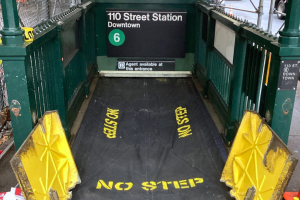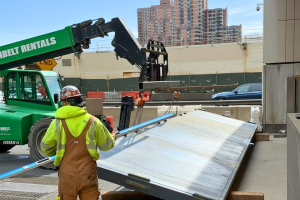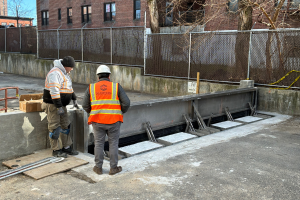

Integrate FEMA approved & compliant flood barriers to strengthen building compliance and protection. The best flood barriers secure commercial buildings, schools, hospitals, multi-family developments, and critical infrastructure sites nationwide – engineered for FEMA, ANSI, FM Approvals, ASCE, and NFIP standards. Defending diverse industries & properties, these systems are durable, reusable, and highly-reliable. As a building owner yourself, help your facility remain operations, avoid disruptions, and stay resilient. Read on to learn about FEMA standard flood barriers for compliant and protected buildings.
Watertight, Fire-Rated Doors
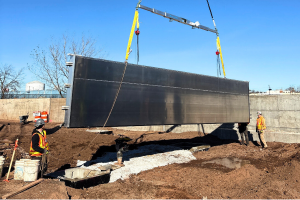
FEMA-standard commercial flood doors deliver watertight protection and fire emergency resistance – while preserving existing access & capabilities. These systems offer dual functionality – doubling as a watertight barrier and pedestrian door. Doors are fabricated with a highly-durable, leak-proof seal for 24/7/365 protection. Whenever your door is closed & locked, the space is floodproof. Products are custom-engineered for unique building openings, access points, design requirements, and performance criteria. Always-in-place, passive flood barriers are designed to mitigate vulnerabilities, lower risks, and enable uninterrupted operations – preferred by FEMA, FM, ANSI, and NFIP.
Self-Activating Gates
FEMA rated self activating flood barriers automatically protect facilities, personnel, equipment, and operations – without human intervention or available power. The Federal Emergency Management Agency prefers self-deploying systems that eliminate risks associated with personnel availability and manual errors. These devices permanently mitigate risks – without relying on your employees or facility appliances. For further confidence & peace of mind, systems are engineered for minimal annual maintenance & long service life-span. If you’re prioritizing compliant & certified protection, install automatic flood barriers for passive protection.
Stackable Planks & Stop Logs
Enable reliable, heavy-duty, and FEMA rated protection with aluminum stackable flood barriers. These device options feature an innovative and interlocking design that transfers horizontal hydrostatic pressure to watertight compression seals. This modular design supports customizable water protection heights – depending on your facility’s vulnerabilities, operational requirements, and risk tolerance. For added risk tolerance, systems are tested against FEMA floodproofing standards, NFIP requirements, and US ACE guidelines. Prioritizing nationwide certification, planks support diverse building applications & use cases:
- Interior/Exterior Pedestrian Doors
- Vehicular Entrances & Parking Lots
- Underground Parking Garages
- Retail Storefronts
- Retaining Walls
Defend your team, operations, assets, and facility with FEMA flood planks.
Flood Panels
Keep your site open, operational, and productive with FEMA flood panels. Modular, removable panels are designed to exceed guidelines established by several nationwide authorities, including:
- Federal Emergency Management Agency (FEMA)
- National Flood Insurance Program (NFIP)
- American National Standards Institute (ANSI)
- Factory Mutual (FM Approvals)
- American Society Of Civil Engineers (ASCE)
- US Army Corp Of Engineers
These solutions are trusted to defend heavy-duty equipment & building infrastructure – along with fragile windows, underground spaces, and electrical appliances. Custom solutions ensure even tight spaces, confined stairwells, and curved/angled surfaces can be protected. Choose modular, watertight flood panel barriers to maintain FEMA compliance.
Glass FEMA Windows
In addition to traditional barriers, FEMA windows deliver versatile, high-aesthetic, hurricane impact-rated defense. Passive flood windows seamlessly protect waterfront sites, commercial buildings, critical infrastructure, schools, hospitals, and multi-family communities – blending with existing architectural design. With no storage/deployment requirements before, during, or after the storm – these passive systems are typically preferred by the Federal Emergency Management Agency. Choose flood glass to strengthen protection without sacrificing views, aesthetics, or architectural integrity. These solutions stand out with unique design capabilities & options:
- Custom Tints & Design Configurations
- Building-Specific Framing Options
- Energy-Efficient Construction
- Glass Flood Wall Options For Walkways
Integrate FEMA flood windows to ensure full-protection 24/7/365 – without impacting architecture & visitor impressions.
Install FM, ANSI, and FEMA approved flood walls for building compliance. Rapid deployable flood barriers help facilities address vulnerabilities, minimize exposure, and remain operational. Consider modular, lightweight, and easily-removable panels. Planks are another rapid-deployment, modular system to analyze. To maximize compliance, enable passive, always-in-place protection with FEMA windows and flood doors. Or, integrate self-activating systems – which remain concealed & hidden when not in-use. Follow the points above to learn about FEMA approved devices for facility safety & resilience.

FEMA Compliant Floodproof Barrier Requirements & Guidelines
Analyze FEMA-compliant flood-proof barrier requirements and guidelines for commercial facilities. The United States Federal Emergency Management Agency (FEMA) establishes clear guidelines to ensure protection systems are resilient, reliable, and durable against expected storm conditions. These innovative systems are ideal for resilient infrastructure where uninterrupted compliance and reliability are critical. As a building owner yourself, prioritize industry-compliant solutions to defend vulnerable access points at your commercial property. Read on to learn about FEMA-compliant flood-proof barrier requirements and guidelines.
Enable Automatic Or Rapid Deployment
Prioritize FEMA-compliant systems that enable automatic or rapid deployment at your facility. Your systems should be rapid-to-deploy, simple-to-use, with minimal loose components or required hardware. With rapid deployment systems, devices are deployed immediately before conditions, then removed after the vulnerability. Ideally, protect your site from weather threats around the clock with automatic or passive barriers. Compared to sandbags, these systems are always ready 24/7/365 when a storm is expected (or unexpected). Choose FEMA flood protection devices that enable automatic or rapid deployment operations.
Meet Manufacturer & Insurance Industry Certifications
Your FEMA-compliant floodwalls should meet insurance industry and manufacturer certifications. Your flood mitigation company should collaborate with experienced and reputable vendors that are knowledgeable in preparing properties for severe flooding conditions. As you review compliance, collaborate with certified resiliency architects, engineers, and design professionals to review and pinpoint potential vulnerabilities. Together, you can install corrosion-resistant, heavy-duty, and highly resilient devices that defend infrastructure during hurricanes, major storms, or natural disasters. To maintain FEMA compliance, many flood protection systems may need to be custom-designed, engineered, and fabricated to ensure a total fit. Leverage flood mitigation devices that meet insurance industry, manufacturer, and FEMA-compliant standards.
Verify ASCE, IBC, FM/ANSI Requirements
Before integrating FEMA Flood Prevention Solutions, verify ASCE, IBC, FM, and ANSI requirements. If your facility is located in a High Flood Risk or a High Velocity Wave Zone, systems should comply with a wide range of well-recognized industry standards. Specifically, your FEMA 365 protection should meet minimum requirements established by:
- American Society of Civil Engineers (ASCE)
- International Building Code (IBC)
- American National Standards Institute (ANSI Standards)
- Factory Mutual Insurance (FM)
- Build America, Buy American (BABA Protection Standards)
- Leadership In Energy & Environmental Design (LEED Certifications)
These authorities require action-oriented emergency response plans, regular maintenance, periodic deployment, and regular testing. Collaborate with industry-leading flood protection companies to establish your inspection, maintenance, and emergency operation plan. This approach should establish the chain of command, specific responsibilities, and necessary procedures. Integrate FEMA and wind-rated solutions that additionally align with industry codes and requirements.
Embrace Wet & Dry Floodproofing Measures
Embrace wet and dry flood proofing measures for your FEMA standard equipment. Many commercial facilities follow dry flood proofing measures, which involve sealing your property against stormwater. This approach can require a combination of permanent flood solutions, watertight systems, and heavy-duty shields. Many compliance authorities prioritize passive dry flood proofing systems that operate automatically without human intervention or involvement. For some infrastructure projects, wet flood proofing measures may be the preferred option. This approach involves devices that enable stormwater to pass through without impacting structural integrity or operations. Embrace wet and dry flood proofing measures for your FEMA flood prevention equipment.
Prioritize Long-Term Support & Flood Control Maintenance
Once FEMA floodwalls are installed, prioritize long-term support and flood control maintenance. Choose flood mitigation services that are committed to your facility’s defense, reliability, and protection options. Annual maintenance services keep your property compliant with the latest FEMA codes, standards, ordinances, and industry regulations. Services may involve:
- Flood Barrier Replacement
- FEMA Flood Door Maintenance
- Emergency Response Training
- Barrier Testing Services
After your system is installed, schedule a comprehensive consultation to access customized maintenance options and analyze any long-term risks. Prioritize long-term support as part of your FEMA flood-proofing strategy.
Evaluate FEMA-compliant flood mitigation barrier requirements and guidelines for United States commercial buildings. Before you install a compliant system, you need to be aware of industry regulations and guidelines. Choose specialized flood control services to navigate these codes and ordinances with confidence and peace of mind. Follow the points above to learn about FEMA-compliant flood-proof system requirements and guidelines.