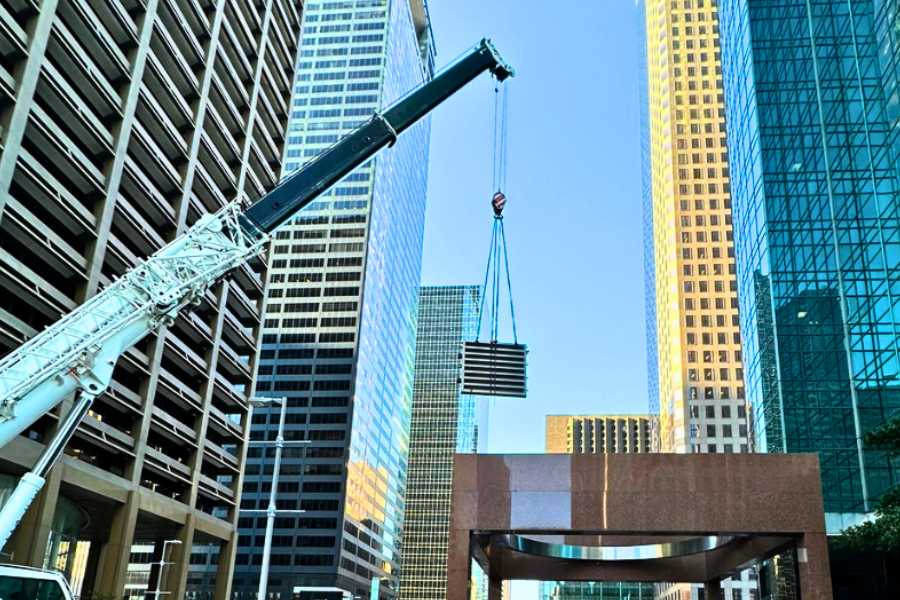
Integrate strategic storm & risk management measures to reduce building risks. Buildings located in high-risk storm zones or busy downtown centers need to prioritize forward-thinking tactics to lower risks, eliminate operational interruptions, and ensure business continuity. These measures strengthen structural integrity, enable safe working conditions, and protect costly damage. As a building owner, take proactive & resiliency-focused actions to safeguard your assets, investments, equipment, and personnel. Read on to learn about professional flood mitigation services and solutions to safeguard your property.
Passive Protection Methods
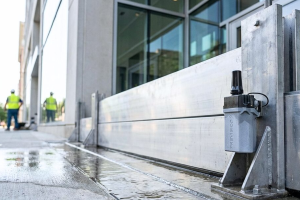
Strengthen resilience 24/7/365 with passive flood barrier solutions. Passive measures enable reliable, always-in-place protection – without relying on physical manpower, human intervention, or available electricity. Integrate these systems around critical building access points that require around-the-clock defense, including:
- Interior/Exterior Pedestrian Doorways
- Vehicular Entrances & Parking Lots
- Multi-Level Parking Garage Structures
- Underground Basements & Stairwells
- Loading Docks & Garages
- Full Building Perimeters
With this level of durability, reliability, and versatility – these systems are preferred by FEMA, FM Approvals, ANSI, and other nationwide authorities. Prioritize protection that enables continuous & confident peace of mind – knowing your most valuable equipment, inventory, and team members are safe. Keep your commercial building secure around-the-clock with always-in-place automatic protection barriers.
Structural Mitigation
Install structural flood mitigation barriers to permanently reduce, manage, and control building risks. Structural measures take a long-term, permanent, and always-in-place approach to protection. This approach is recommended for buildings in high-risk storm zones & waterfront communities with a low risk tolerance. Structural tactics & systems can help US facilities:
- Improve Traffic Access
- Strengthen Emergency Response Plans
- Streamline Warning Systems
- Reduce Or Eliminate Storm Impact
- Promote Facility & Team Awareness
Prioritize structural measures to defend your facility with heavy-duty, durable flood mitigation devices.
High-Aesthetic Design Methods
If you’re focused on preserving & maintaining architecture, consider high-aesthetic storm control methods. Collaborate with licensed architects to explore flood design solutions – tailored to your facility’s industry, location, and architectural requirements. These specialists will recommend products that are heavy-duty, reliable, and aesthetically-pleasing. Some notable options to consider include:
- Resistant Glazing Systems
- Concealed & Hidden Protection
- Glass Wall Systems
- Fully-Integrated Solutions
- Self-Activating Barriers
Once in-place, these systems are less obstructive, always-in-place, and require minimal annual device maintenance. Take high-aesthetic, design-driven measures when installing commercial mitigation systems.
Point-Of-Use Measures
Point-of-use methods enable you to quickly secure at-risk openings with minimal manpower or available resources. Flood mitigation companies recommend these barriers for buildings prioritizing rapid deployment, compact stowage, and scalable protection. These systems are stored directly at the point-of-deployment – enabling facilities to minimize interruptions & resume operations faster. To get started, schedule a flood consultation to discuss your risk tolerance, budget, and building code requirements. Then, you can protect your team, equipment, assets, and operations with point-of-use protection.
Alternative Approaches & Techniques
Some facilities may require alternative flood mitigation solutions to ensure resilience. Collaborate with expert technicians to review feasibility, project budget, and ease of installation. Architect-led companies perform comprehensive risk assessments, collect precise field measurements, and carefully coordinate project requirements. With these insights, you can choose device options that align with your storm event type, staff levels, property value, and operational requirements. Before you embrace these approaches, carefully determine risk tolerance with certified architects, technicians, and engineers. Together, you can explore alternative tactics & plans for emergency readiness,
Flood Mitigation Strategies To Manage Building Risks
There are several highly-effective, cost-saving strategies for proactive natural disasters. These forward-thinking methods aim to reduce damage, risk, and economic impact from unpredictable natural disasters. Of course, there is some level of risk to companies or critical infrastructure projects. That’s why organizations are adopting take-charge practices to mitigate potential vulnerabilities, impacts, or consequences of the next devastating storm. According to NOAA’s Office of Coastal Management, these hazard prevention programs collectively save the American public over $3 Billion every year. To get started now, read on to learn about the cost-saving techniques to reduce damage from natural disasters.
Complete Risk Avoidance
Risk avoidance is one of the most notable strategies for proactive watertight control. These measures are focused on decreasing the impacts of disasters through careful measures throughout vulnerable areas. These consequences can often be eliminated through effective risk identification, forecasting, and management. This may require facilities to install different types of flood mitigation devices for storm water diversion. Then, they’ll be fully protected against existing and future hazards posed by climate change.
Water Protection Measures
Stormwater protection measures help commercial and critical infrastructure projects save millions every year. These measures focus on the protection of people, local communities, and critical infrastructure. This leads many firms to install barriers, which can adapt to different flash and storm water surge situations. They support ample response to threatening catastrophes. Active, passive, and point-of-use devices are all prime examples of resilient protection.
Emergency Storm Preparation
Emergency preparation is another strategy to leverage for natural disaster protection. These methods are focused on rapid response to serious threats in an urban environment. They’re highly effective in flash, river, or coastal storm scenarios. Oftentimes, this involves the quick deployment of dependable temporary devices. These are specifically designed to be set up in pre-planned locations, usually in areas where permanent barriers can’t be deployed. Indeed, many commercial facilities, infrastructure projects, and local communities regularly require emergency preparation solutions.
Wet & Dry Floodproofing
Of course, floodproofing strategies can also lower economic impact and loss of life during devastating natural disasters. This approach is best defined as permanent defense measures that provide reliable water damage resistance. It can involve any combination of structural additions, upgrades, or changes that aim to eliminate damage to critical real estate. They can also provide ample protection to water treatment facilities, critical infrastructure projects, and their contents.
There’s plenty of proactive methods for natural disaster damage prevention. OFC’s wide expertise in protection and control strategies can protect your building or property. Our expert flood mitigation company will help to protect your facility from the next emergency. Follow the points highlighted above to learn about the most proactive mitigation strategies for natural disaster control.