

Explore the best passive flood mitigation measures & solutions for United States critical infrastructure. Passive flood barriers are always-in-place for permanent, 24/7/365 protection – regardless of advanced storm notice or personnel availability. Unlike active systems, equipment does not need to be deployed or verified – eliminating disruption to daily operations until the last possible moment. As a building owner, invest in innovative, fully-passive solutions – backed by real-world use cases, proven applications, flexible operations, and integrated aesthetics.
Why passive measures?
- No Human Intervention
- No Electricity Or Power Needed
- Always-In-Place & Ready
- Reliable & Dependable
- Minimal Operational Costs
- Maintain Building Aesthetics
- FEMA Recommended
- Coastal & Flash Flood Protection
Read on to learn about passive flood control measures and solutions.
Self-Activating Passive Floodgate Solutions (SAFBs & SCFBs)
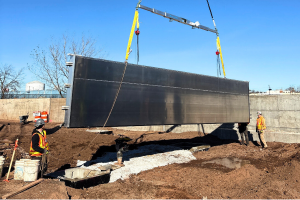
Control risks & maintain daily operations with self activating flood barriers. During normal conditions, floodgates remain flush & recessed in an underground basin. When stormwater rises, hydrostatic pressure triggers the gate to close automatically – locking into the watertight deployed position. Passive flood mitigation costs depend on your risk tolerance, building code requirements, design guidelines, and project conditions.
How these systems work:
- Hidden Concealed Design
- Floodwater-Triggered Activation
- Deployment From Rising Pressure
- Retract As Stormwater Recedes
- Remains Concealed When Not In-Use
Install SCFBs or SAFBs to integrate measures for uninterrupted, always-ready defense.
Glass Window Flood Barrier Options
Preserve views, natural light, resilient building architecture, and aesthetics with passive floodproofing windows. Commercial glass barriers are tested to 10’ water protection heights – aligning with ANSI/FM 2510, ASCE 24-24, & nationwide compliance guidelines. Expert-engineered structural frames are constructed to withstand hydrostatic pressure, hydrodynamic loads, and wind/debris impacts. These permanent, systems are tested to ensure performance in urban, coastal, and waterfront environmental conditions.
Key features of passive windows:
- Maintains Unobstructed Views
- Offers Transparent Protection
- Preserves Natural Light
- Blends Seamlessly With Existing Architecture
- Supports Aesthetic Integration
- Tested For High Performance
- Certified To Nationwide Flood Abatement Standards
Integrate glass flood walls to strengthen & streamline your facility’s emergency response plan.
Flip-Up & Drop-Down Passive Flood Barriers
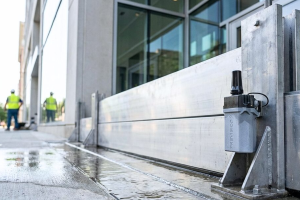
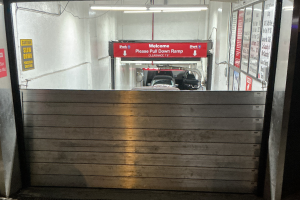
Choose drop-down & automatic flip-up barriers to strengthen resilience & ensure uninterrupted access. These products are designed & engineered for reliable self-activation – but can be manually engaged with push-button activation. Once flipped or dropped into position, devices create a watertight seal – defending your team, assets, inventory, and operations. These options standout for minimal manpower before, during, or after the storm event.
Core features of flip-up devices include:
- Permanent & Stays In Place
- No Visual Or Physical Obstructed Access When Not In-Use
- High Strength Against Water & Wind Impacts
- Versatile Building Applications & Use Cases
- Customizable To Unique Heights & Lengths
- No Power Needed – Utilizes Water’s Own Pressure
Flip-up & drop-down gates remain one of the best passive flood protection measures for United States infrastructure.
Watertight Pedestrian Flood Doors
Equip new construction or strengthen existing resilient infrastructure with flood protection doors. Top-rated doors stand out for low industry leakage rates, UL10C 90-minute fire rating, ADA compliance, and Florida product approval. For added building security, systems can be equipped with forced entry, water/air infiltration, and windstorm ratings. Keep in mind, you should commit to annual flood door maintenance services to keep your protection reliable, resilient, and ready.
Common applications include:
- Critical Infrastructure
- Mechanical & Electrical Rooms
- Stairwells & Basements
- Main Building Entrances
- HVAC & Utility Access Points
- Commercial & Industrial Facilities
- Power Stations & Utility Plants
- Communication Facilities
- Municipal & Government Properties
- Retail Stores, Malls, Banks, & Businesses
- Healthcare & Education Centers
- Transportation Networks & Public Transit Hubs
Integrate flood resistant doors to prioritize passive floodproofing measures throughout your facility.
Vertical & Horizontal Passive Barriers
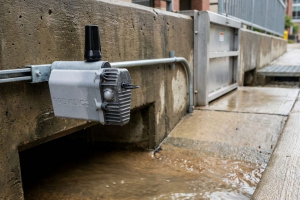
Protect vulnerable, at-risk facilities with vertical & horizontal passive flood prevention barriers. These automatic flood gates are engineered for durability, corrosion-resistance, and long service lifespan – even in harsh waterfront/storm-prone environments. Before installation is scheduled, flood control companies perform an initial on-site inspection to collect measurements & assess property requirements.
Ask any frequently asked questions (FAQs) regarding performance, protection, and site requirements:
- Water Velocity & Depth
- Sealing (Especially For Corners, Gaps, & Angles)
- Truly Automatic Activation
- Testing, Inspection, & Maintenance
- Certification For US Hurricane Zones
- Site Conditions
- Installation Guidelines
- Precise Dimensions & Measurements
- Deployment & Storage Logistics
- Expected Service Life For Gaskets, Panels, & Hardware
- Required Local Permits
- Specific Flood Zones Requirements
Once in-place, maintenance requirements are minimal – executed by an experienced, solution-driven team. Choose horizontal & vertical passive barriers for discreet, quick, and durable defense.
Compare the best passive flood mitigation solutions for US buildings, infrastructure, & businesses. There’s a wide range of systems available to strengthen resiliency – including SCFBs/SAFBs, doors, gates, and glass windows. Specialized products are additionally available for automatic chemical spill containment. To get started, schedule an initial consultation with architect-led mitigation companies. Follow the points above to learn about passive flood mitigation guidelines for United States infrastructure.