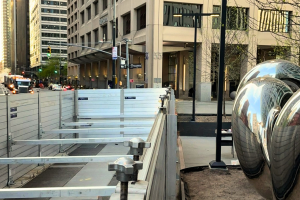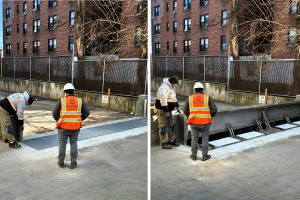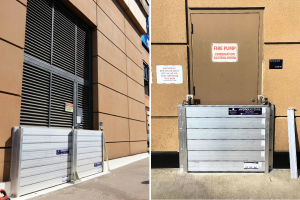
Explore flood control infrastructure projects for resilient United States communities. With storm risks increasing nationwide, US cities are prioritizing flood control projects to adapt vulnerable facilities & reduce risks. Individual projects have specific local/federal standards for design, certified installation, always-ready operation, and annual maintenance.
Why US cities are making these investments:
- Significant Economic Savings & ROI
- Protect Assets, Buildings, & Lives
- Mitigate Long-Term Climate Change Impacts
- Deliver Multiple Community Co-Benefits
- Support Environmental Sustainability
- Align Compliance & Resilience Standards
As a building owner looking to protect your facility, personnel, or community – review how resiliency-focused projects can impact your property or city’s overall risk level. Read on to learn about major projects & services for flood resilient infrastructure design.
Large-Scale, Citywide Infrastructure Projects
Waterfront & urban United States communities are investing in large-scale resilience projects. These efforts are designed to support local businesses, property owners, transportation networks, schools, hospitals, and residents. Many communities take a gray infrastructure approach – which involves integrating human-engineered floodwalls and permanent barriers for risk/damage prevention. Of course, these projects must align with standards from the National Flood Insurance Program (NFIP), FEMA, and BABA protection. Once compliance benchmarks are met, cities need to take additional measures for on-site testing, personnel training, community preparation, and emergency response.
These large-scale projects focus on:
- Wet & Dry Floodproofing
- Storage & Containment
- Diversion & Conveyance
- Waterfront & Coastal Defense
- Green Infrastructure Integration
Review large-scale, citywide projects with flood control companies.
Solutions To Mitigate Localized Flash & Coastal Flooding
Analyze the impact of flood control solutions to mitigate localized, coastal, and riverine flooding. These systems address heavy rainfall, street flooding, water quality risks, and hurricanes. As weather events across the United States become more frequent & intense – this level of storm control is a crucial priority for vulnerable cities. Project execution requires direct coordination with contractors, architects, engineers, city planners, and state/federal government officials. Prioritize flood mitigation techniques that address urban and coastal storms.
Permanent Barriers To Protect US Critical Infrastructure
Defend US critical infrastructure assets, operations, networks, and facilities with permanent flood control solutions. Ensure properties remain flood ready – assessing vulnerabilities, adapting buildings, and strengthening protection. These investments protect road systems, municipal buildings, roadways, and bridges. Other prominent sectors that may require defense include:
- Water & Wastewater Treatment
- Commercial Facilities
- Critical Manufacturing
- Chemicals & Energy
- Emergency Services
- Food & Agriculture
- Financial Services
- Public Health
- Local, State, Federal Government
- Public Transit Systems
Consider flood control services that strengthen stormwater management for critical infrastructure sites.
High-Aesthetic, Integrated Flood Protection & Green Infrastructure Options
Consider high-aesthetic flood control systems & green infrastructure options. Develop a comprehensive flood mitigation plan to analyze, anticipate, and alleviate storm risks. Consider a range of approaches, strategies, and devices to align your watertight protection goals. Streamline early stages with expert planning, implementation, and design services. Experienced professionals can integrate reliable solutions for passive defense, on-site storage, and self-activating deployment. Flood resilient building design may involve investments in green infrastructure.
Maintenance & Repairs To Support Community Resilience
After flood mitigation projects are completed, city planners should take ongoing steps for flood barrier inspection, maintenance, and custom repairs. Following certified installation, devices are trusted to protect people from direct & indirect impacts. To maintain this level of resiliency, comprehensive maintenance, testing, and training is a top priority. These efforts should be scheduled on an annual basis – as well as to streamline recovery after a storm. Collaborate with solution-driven experts for flood control maintenance.
Review specialized floodproofing infrastructure projects that protect US operations, businesses, and assets. Integrate a range of models, techniques, and strategies to align building protection goals. Prioritize high-aesthetic, integrated options that preserve existing architecture & design. To get started, contact a turnkey resiliency management company to streamline end-to-end execution. Follow the points above to learn about nationwide flood control projects.