
Floods are one of the most common, unpredictable, deadliest, and costliest natural disasters in the U.S. Planning a flood mitigation project with industry solutions is essential to stay prepared and respond to the possible risks at all times. Flood mitigation companies use both structural and nonstructural measures, focusing on reducing the damage through:
- Active Flood Devices
- Passive Flood Protection
- Point of Use Flood Barriers
- Temporary Mitigation Strategies
- Floodwater diversion and storage
- Elevated structures
- Automatic Floodgates
- Levees
- Evacuation routes
- Floodplain and stream restoration
- Low impact development (LDI)/Green infrastructure (GI)
- Zoning and subdivision
These measures are consistent with Hazard Mitigation Requirements. You can collaborate with an expert to mitigate the risk of flooding and plan a flood mitigation project with industry solutions.
Flood Mitigation Project Overview
Reduce or eliminate the risks of damage with flood mitigation projects driven with industry solutions. Each project provides competitive funding to protect you from the risk of repetitive flood damage. The project supports state, local, tribal, and territorial government buildings and structures insured by the National Flood Insurance Program (NFIP) and other participating communities. Applicants for flood mitigation project are selected for funding on the basis of:
- Pre-approved hazard mitigation plans
- Project rankings
- Cost-effectiveness analysis
- Eligibility verification
Selected flood mitigation projects integrate industry solutions, help reduce flood risk, and strengthen community resilience by sharing comprehensive summaries of the selected projects. Analyze flood mitigation risk tolerance, requirements, and a comprehensive overview to start project planning.
FEMA Eligibility Requirements For Individual Flood Projects
FEMA eligibility requirements for individual flood projects is competitively based on scoring criteria that includes substantial damage, social vulnerability index, severe repetitive loss, repetitive loss, and implementation measures. As a subapplicant, you must fit the eligibility requirements, which are:
- Participate in NFIP (National Fund Insurance Program)
- Have FERA-approved Local or Tribal Hazard Mitigation Plan
- Demonstrate a benefit-cost ratio of 1.0 or higher
Once you are shortlisted, multiple flood hazard activities are offered for individual flood projects:
- Property Acquisition and Structure
- Demolition/Relocation
- Structure Elevation
- Dry Floodproofing
- Non-structural Retrofitting of Existing Buildings and Facilities
- Mitigation Reconstruction
- Structural Retrofitting of Existing Buildings
Individual Flood Mitigation subawards under FEMA’s program have a 36-month period of performance from the date of the federal award. Collaborate with the experts to submit, track, and manage your application in this program and reduce the risk of flood damage.
Funding Sources For Flood Mitigation Projects
Securing funding sources is a critical part of comprehensive flood mitigation projects. Consider long-term predictable funding sources to directly impact the success of a flood mitigation project. Particularly, large-scale projects may rely on local, state, federal, and private funding sources to gather funds and enable long-term flood resilience. Qualified commercial buildings, residential properties, and nationwide infrastructure can also apply for grant programs to secure flood mitigation funding, including:
- Flood Mitigation Assistance Program
- Funding To Building Resilient Infrastructure & Communities
- Community Development Block Grants
- River, Trails, & Conservation Assistance Programs
- Direct Loans & Grants For Community Facilities
You can also rely on private philanthropic funding sources to secure funds for residential and commercial flood mitigation systems. Reach out to private philanthropists with target messages talking about community health, safety & welfare, environmental hazards, and overall priorities.
Coordinate Flood Mitigation Through Construction Phases
Work with on-site project managers to coordinate flood mitigation during the construction phases. Notably, construction sites are always vulnerable to flooding, storm surges, and heavy rainfalls. In high-risk flood areas, these events can damage months of construction work – putting stakeholder investments at risk. With custom-designed flood mitigation solutions, general contractors can protect high-value assets, heavy equipment, and construction sites. Flood mitigation experts coordinate with general contractors, local authorities, crane operators, and on-site technicians to plan custom solutions to:
- Minimize The Risks Of Delayed Timelines
- Protect Structural Integrity Of Construction Sites
- Support Operational Continuity At High-Value Buildings
- Keep Major Excavation Sites Dry
This coordinated flood mitigation process offers a flexible solution to streamline construction site protection from major flooding events.
Flood Risk Management Strategies
Planning a flood control project requires comprehensive flood risk management strategies to protect critical infrastructure, commercial buildings, and residential properties. FEMA-approved flood control solutions help prevent floodwater from passing through the floodplain. Based on structural requirements, flood mitigation experts can plan custom-designed solutions to support emergency preparedness for properties. Select the right types of flood mitigation devices between:
- Active Flood Barriers
- Passive Flood Devices
- Flood Gates
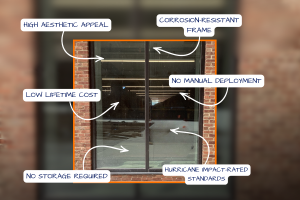
- Flood Glass Windows
- Flood Planks
- Flex Gate Barriers
These flood mitigation strategies and devices safeguard critical infrastructure and improve emergency preparedness.
Develop Your Flood Mitigation Project Plan
Develop your flood mitigation project plan to minimize property risk. Mitigation experts proactively implement emergency flood management plans. The phases of this plan are- mitigation, preparedness, response, recovery, and maintenance. By following these steps, you can manage flooding and storm events:
- Stay up to date with building codes and zoning
- Conduct a vulnerability analysis with flood modeling
- Leverage Geographic Information System (GIS) data
- Practicing emergency exercises
- Documenting existing critical infrastructure
- Providing immediate assistance and emergency response
- Applying for grants (like FEMA’s Hazard Mitigation Assistance)
- Documenting the flood height and damage
From industry-leading software flood simulators to GIS capabilities for documentation, your consultant can best recommend a plan depending on your unique solution.