Develop a comprehensive flood mitigation plan for building resilience & continuity. In response to recent hurricanes, natural disasters, and flash flooding events – nationwide US communities are taking proactive measures to protect vulnerable infrastructure. This specialized approach supports flood risk reduction & facility operational goals.
Core components for professional flood mitigation techniques:
- Risk Assessment & Planning
- Structural & Non-Structural Mitigation Measures
- Stormwater Management Techniques
- Community Engagement & Education
- Local, State, & Federal Funding/Prioritization
- Implementation & Installation
- Execution, Maintenance, & Upkeep
As a building owner yourself, collaborate with flood mitigation experts to streamline your emergency preparation, readiness, and response efforts. Read on for your flood mitigation plan template for commercial building resilience and continuity.
Perform An Infrastructure Resilience Assessment
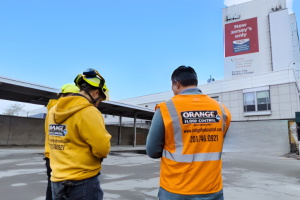
Before turnkey flood mitigation planning, conduct an initial assessment for infrastructure resiliency. Expert mitigation technicians follow building, compliance, and resistance standards from the National Flood Insurance Program (NFIP). These in-depth procedures are often executed in FEMA-designated high-risk flood zones. Exact steps & inspections are customized to your infrastructure requirements or building assets.
Here’s the key steps to perform a successful assessment:
- Understand & Identify Your Infrastructure
- Inventory Assets & Interdependencies
- Define Your Resiliency Goals & Mission
- Pinpoint Vulnerabilities & Threats
- Consider The End-To-End, Full Lifecycle
- Implement Resilience & Mitigation Strategies
- Prioritize Continuous Improvement
Perform a specialized resiliency assessment to get started with flood mitigation for hurricanes & storm events.
Flood Mitigation Plan For Building Resilience & Continuity
Develop a comprehensive flood mitigation action plan to keep building resiliency and continuity. First, perform a flood risk assessment and analysis on your property to understand the hazard that your area experiences. With comprehensive maintenance, repairs, replacement on flood devices you can make sure that your infrastructure and assets are protected. In addition to that, keep in touch with your maintenance team to have extensive training sessions about how flood devices work and how to do manual deployment. When your property is a critical infrastructure, you should consider an automatic flood gates instead for 24/7/365 protection without manpower. Certainly maintain a comprehensive flood mitigation action plan for building resiliency and continuity.
Prioritize Structural And Non-Structural Mitigation Measures
Learn about structural and non-structural mitigation for flood plans on building resilience & continuity. Structural mitigation is an approach where you need to modify or construct infrastructures to greatly reduce the impact of the flood. Flood mitigation experts might require you to install walls, gates, windows – and implement an emergency response plan.
National flood mitigation measures have been enacted nationwide, including:
- New Jersey (NJ)
- New York (NYS/NYC)
- Virginia (VA)
- Texas (TX)
- Arkansas (AK)
- Massachusetts (MA)
- California (CA)
- Nevada (NV)
- Oregon (OR)
- Idaho (ID)
- New Hampshire (NH)
- Maine (ME)
Non structural mitigation involves ongoing changes & infrastructure upgrades to protect properties in high flood risk zones. Certainly, prioritize structural and non structural mitigation measures when making flood protection plans for building resilience.
Install Flood Mitigation Solutions, Systems, & Devices
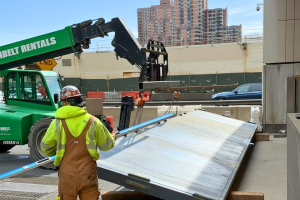
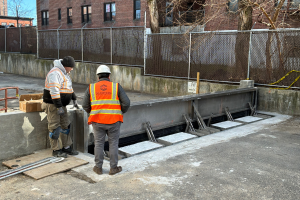
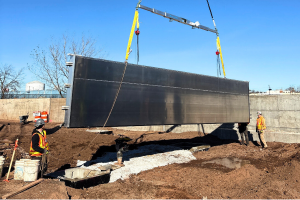
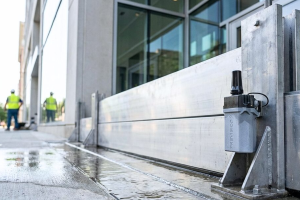
Flood mitigation plan for building resilience involves installation of flood mitigation solutions, systems and devices. When looking for the perfect flood proofing, your technician will give you options on how you can protect your commercial building or critical infrastructure. With top quality workmanship and personal attention, the best flood mitigation company will analyze your property and provide engineering analysis. After the consultation, you can then choose among a selection of flood devices that your building needs. Examples of effective flood solutions:
Automatic Flood Protection Systems
- Automatic Flood Protection Systems
- Sliding Gates Systems
- Storm Resistant Windows
- Passive Protection Systems
- Commercial Glazing Systems
- Flood Proof Windows And Doors
- Flip-Up Gate Barriers
- Self-Closing Flood Barriers
- Flexible Flood Solutions
- Stackable Flood Planks
- Removable Flood Barriers
Depending on how you would use the devices, certain solutions have unique strengths and advantages over the other so you should take the initiative to ask what’s best for your industry. Protect your property by installing flood mitigation solutions, systems & devices.
Prioritize Annual Flood Mitigation Device Maintenance
Once systems are installed, tested, and ready – commit to annual flood control device maintenance. Keeping your products maintained & ready minimizes any gaps in operational normalcy. This end-to-end approach may involve custom repairs, education, personnel training, and on-site testing. Ensure maintenance operations are clearly documented to monitor performance & protect your investment.
Key maintenance activities include:
- Component & Flood Barrier Inspection
- Cleaning Dirt, Debris, & Buildup
- Seals, Bolts, & Hinges Lubrication
- Testing For Key Pumps & Mechanisms
- Custom Repairs & Adjustments
- Flood Barrier Replacement
- Documentation & Reporting
- Flood Door Maintenance Services
Long-term, this approach can promote uninterrupted reliability, cost savings, peak performance, and longevity. Ensure flood mitigation planning ensures systems are maintained, watertight, and ready for deployment.
Plan, implement, and maintain flood mitigation systems with specialized companies for watertight storm control. Start with an infrastructure resiliency assessment to pinpoint vulnerabilities, address risks, and document conditions. Install permanent solutions that strengthen long-term resilience & reliability. Once products are in-place, commit to annual maintenance to support uninterrupted operations & performance. Follow the points above for examples of a flood mitigation plan template for commercial buildings.