Analyze ASCE 24-24 flood resistant design and construction standards. The American Society of Civil Engineers (ASCE) establishes comprehensive requirements for resilient architecture, building code compliance, and floodplain management. These regulations are designed to exceed expectations from the National Flood Insurance Program (NFIP) and other nationwide authorities. If you’re planning new construction or significant structural improvements – prioritize compliant barriers, services, and expertise. Read on to learn about ASCE 24 flood resistant design and construction requirements.
ASCE & ANSI/FM 2510 Dry Floodproofing Requirements
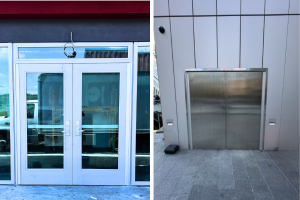
If your facility is located in a riverine or 500-year floodplain zone, ASCE 24 compliance is typically a requirement. Dry floodproofing regulations ensure compliance for fire rated doors, gates, hatches, glass windows, planks, and shields. Approvals are traditionally certified by engineers, manufacturers, and mitigation design professionals.
To meet nationwide standards, your flood mitigation solutions must pass tests & guidelines from many global authorities:
- LEED Certifications Building Requirements
- FEMA Compliance Standards
- ANSI/FM 2510 Requirements
- BABA Flood Protection Standards
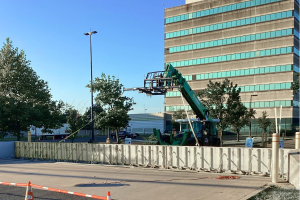
Before barrier installation, technicians will conduct an on-site inspection & vulnerability analysis to determine the level of defense needed. Design & integrate ASCE compliant dry floodproofing solutions.
ASCE 24-24 & 24-14 Building Performance Guidelines
Ensure your flood mitigation meets ASCE 24-24 & 24-14 building performance standards. The American Society of Civil Engineers specifies 7-10 compliance for minimum design loads for buildings. Your facility’s structural foundation & underlying soil are designated for 24 regulations. There are additional design demands focused on risk levels, occupancy, and elevation. Commercial buildings & critical infrastructure nationwide must meet and exceed these protocols – including urban & waterfront communities in:
- New York City, New York
- Jersey City, New Jersey
- Chicago, Illinois
- Houston, Texas
- Phoenix, Arizona
- Philadelphia, Pennsylvania
- San Antonio, Texas
- San Diego, California
- Dallas, Texas
- Austin, Texas
- Jacksonville, Florida
- Fort Worth, Texas
- Columbus, Ohio
Integrate ASCE 24 protection to strengthen building performance and create flood-resilient infrastructure.
Standards For High Risk & Coastal Flood Hazard Zones
Review specialized ASCE 24-14 standards for high-risk and coastal hazard areas. The American Society of Civil Engineers specifies protocols for commercial buildings in communities prone to flash flooding, hurricanes, tropical storms, high-velocity flow, wave action, and debris. Before solutions are designed, comprehensive engineering reports are prepared to define methodologies, establish location-based demands, and align construction objectives. Collaborate with experienced storm mitigation companies to review your local hazard map, conduct strategic vulnerability calculations, and assess your risk tolerance. Manage ASCE protection standards for high-risk and coastal flooding zones.
The Impact Of ASCE 24-24 Protection In US Communities
Evaluate the community-wide impact of ASCE flood prevention. These comprehensive protocols provide clear guidance, support, and resources for resilient construction in flood-prone communities nationwide. Many standards were developed and reinforced after major U.S. disasters, including:
- Hurricane Helene
- Hurricane Harvey
- Superstorm Sandy
- Hurricane Irene
- Hurricane Ida
- Hurricane Katrina
Without maintaining compliance, unpredictable storms can cause irreparable damage to businesses, commercial facilities, schools, multifamily developments, critical infrastructure, and hospitals & healthcare facilities nationwide. This can lead to supply chain interruptions, unforeseen closures – as well as impacts on life-saving medical services and public transportation. Consider the impact of ASCE flood control on U.S. communities, public safety, and infrastructure resilience.
How To Facilitate ASCE 24-24 Adoption
Now, consider the steps, strategies, measures, and techniques for ASCE 24-24 adoption. Across the United States, adoption starts with clear and open awareness. Professional flood mitigation services can help you facilitate easy access, design, integrate, test, and maintain resilient barrier solutions. As the ASCE and ASFPM model continues to evolve, support uninterrupted resiliency, protection, and compliance with flood control maintenance. This way, you can coordinate with specialized experts, seamlessly adopt higher standards, and prevent storm-related losses. Understand the steps, guidelines, and flood mitigation strategies for ASCE 7, 14, and 24 adoption.
Review ASCE 24-24 flood-resistant design and construction standards for U.S. commercial buildings, critical infrastructure, and nationwide communities. Specialized demands are established for dry flood mitigation devices, building performance, and community risk. Before designing compliance systems, understand the global impact and steps to facilitate seamless adoption. Follow the points above to learn about ASCE 24-14 flood-resistant design and construction standards.