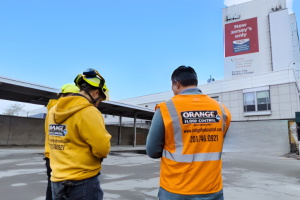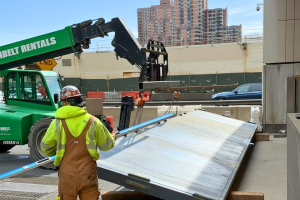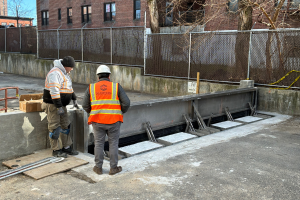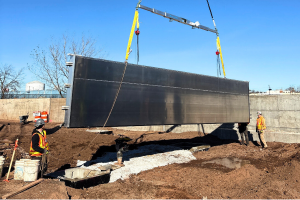
Compare flood mitigation techniques used by federal government facilities, commercial buildings, and critical infrastructure sites. Take proactive actions helps defend nationwide properties, infrastructure investments, and costly assets from the impacts of flooding & natural disasters. Building owners and government agencies can implement multiple flood mitigation strategies – ranging from fully-autonomous, passive options to highly-involved active measures. As a building owner yourself, compare resilient techniques to defend infrastructure in flood prone areas – aligned with National Flood Insurance Program (NFIP) & Federal Emergency Management Agency (FEMA Compliant) guidelines.
Your action plan to build & maintain flood controlled structures:
- Identify Risks & Vulnerabilities
- Take A Solution-Driven, Layered, & Safety First Approach
- Set Goals & Define Infrastructure Resilience Objectives
- Prioritize Community-Wide Emergency Response Planning
- Update Plans With New Data & Insights
- Compare Structural & Non-Structural Measures To Address Flood Damage
- Streamline Emergency Response & Preparedness Plans
- Schedule Ongoing Maintenance & Post-Food Recovery
- Coordinate With Local Floodplain Managers & Mitigation Companies
- Review Options For Flood Insurance In High-Risk, Coastal Zones
Read on to learn about flood mitigation measures and techniques used by municipal, state, & federal government buildings.
Automatic & Passive Mitigation Strategies That Can Reduce Flood Risk
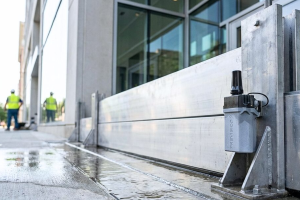
Embrace automatic & passive flood mitigation measures that reduce flood risk with minimal human intervention. From high-aesthetic, integrated glass & doors to custom-engineered flip-up barrier options – there are multiple resilient options that can lower risk level & prevent flood losses.
Automatic and passive flood protection system options include:
- Glass Flood Barriers & Storm Resistant Windows
- Integrated Flood Protection Solutions
- Passive Barrier Solutions For Storm Drains & Drainage Systems
- Steel Fire Rated Doors & Watertight Flood Proof Doors
- Flood Walls & Berms
- Automatic Flood Gates
These passive flood mitigation measures are already being used by federal government facilities, commercial buildings, multi-family communities, schools, and hospitals across the US. To get started, schedule an architect-led consultation with flood mitigation experts to review options, analyze property type, and begin planning construction projects. Prioritize automatic & passive strategies that reduce flood risk & defend against extreme weather conditions.
Resilient Building Design For Integrated Flood Mitigation
Implement integrated, resilient building design strategies that reduce flood risk and preserve resilient architecture design. To address the negative impacts of climate change in coastal communities & urban areas, construction companies are continuing to prioritize resilient design. This is expected to continue with new developments, innovations, techniques, and advancements to protect against flood water.
Local communities & officials are embracing the following mitigation options for new/existing building design:
- Elevated Foundations & Utilities Above Flood Water Levels
- Floodproof Materials & Marine-Grade Construction
- Modular, Rapidly-Deployable Flood Barriers
- Watertight Sealed Openings
- Permanent, Passive Protection & Green Infrastructure
- Improved Water Quality & Drainage
- Building Envelope & Materials
- Dry & Wet Floodproofing Measures
- Passive & Green Approaches
Before your initial consultation, compare design options, shop drawings, and flood mitigation system requirements. Government agencies & property owners can implement resilient building design strategies for stormwater management and flood risk mitigation.
Dry Floodproofing For Commercial Property Owners & New Construction Projects
Dry floodproofing techniques remain one of the most efficient, dependable, and reliable options to minimize flood risk. These measures keep water outside of your facility during a flood event. Exact strategies may involve sealing vulnerable openings, integrating devices to protect below-grade levels, and adding structural reinforcement options.
These dry flood risk mitigation techniques may be used by:
- Municipalities & Governments: Utility stations, public buildings, libraries, town halls, storage sites, emergency operations centers
- Commercial Properties: US businesses, factories, & non-residential buildings
- Critical Infrastructure: Dams, levees, pump stations, wastewater treatment plants
- Licensed Professionals: Contractors, design specialists, architects, structural & professional engineers (PEs)
- Schools & Universities: Classrooms, dorms, college campuses, athletic facilities, learning resources
- Hospitals & Medical Centers: Reduce flood risk for emergency rooms, elevator cores, life-saving medical equipment, uninterrupted operations
- Multi-Family Developments & Communities: Multi-level/underground parking garages, tenant homes, leasing/administrative buildings, community amenities
When you’re ready for next steps, review clear insights, reviews, and resources for the flood mitigation industry. Implement wet & dry floodproofing measures used by federal government agencies, local officials, & new construction developments.
Code-Based Flood Mitigation Strategies For Resilient Floodplain Management
Prioritize code-based, compliant strategies for flood risk control. Your strategy should strengthen facility & nationwide compliance – defending your assets against the negative effects of current & future flooding risks. Build your emergency response plan, pinpoint specific vulnerabilities, and deploy performance-based resiliency measures with flood mitigation contractors. Throughout the process, these experts guide you through the steps to address risks, compare options, and minimize flooding.
Align flood risk & stormwater mitigation techniques with the following regulatory frameworks:
- Federal Standards (Title 44 At Section 60.3)
- FM Approvals Standards
- Federal Emergency Management Agency (FEMA)
- BABA Flood Protection Requirements
- ASCE 24-24 Resistant Design
- NFIP Minimums
- LEED Certified Buildings
- Local Ordinances, Zoning Codes, Municipal Ordinances
- International Frameworks
Understand and address compliance requirements with stormwater mitigation techniques.
Community Solutions & Green Infrastructure To Prevent Localized Flooding
Integrate resilient, community-wide flood mitigation strategies that protect municipal assets, property owners, and government properties. Across the United States, cities are building, re-designing, and strengthening structures in flood-prone communities.
If you’re embracing a citywide approach, here are strategies to drive community-focused implementation & engagement:
- Integrated Planning
- Outreach, Training, & Education
- Multi-Benefit Projects
- Local Leadership Collaboration
- Federal/State Funding Options
- Innovative Financing Co-Benefits
- Local Ordinance Coordination
- Citywide Infrastructure Resilience
- Structural Flood Control Measures
- Defense Against Flooding, Runoff, & Land Erosion
Implementing these large-scale programs may involve participation in federal programs, community measures, and awareness campaigns. Discover how resilient flood mitigation solutions protect nationwide communities, cities, and local governments.
Resilient Flood Mitigation Techniques That Prevent Flood Damage
Compare resilient mitigation techniques that prevent damage, minimize risk, and strengthen building resiliency. Prioritize passive and automatic protection systems that deploy with no human intervention or pre-storm preparation. Keep your operations safe against future flooding events with resilient building design, integrated stormwater management measures, and community solutions that address localized flooding. In some cases, consider if financial assistance or flood insurance coverage options are available. Leverage these flood protection & mitigation strategies to protect your facilities from storm events. Follow the points above to learn about flood risk mitigation techniques used by federal government sites & critical infrastructure across the United States.